Hyderabad Research Lab Secures US Patent for Revolutionary Cattle Pregnancy Detection Kit
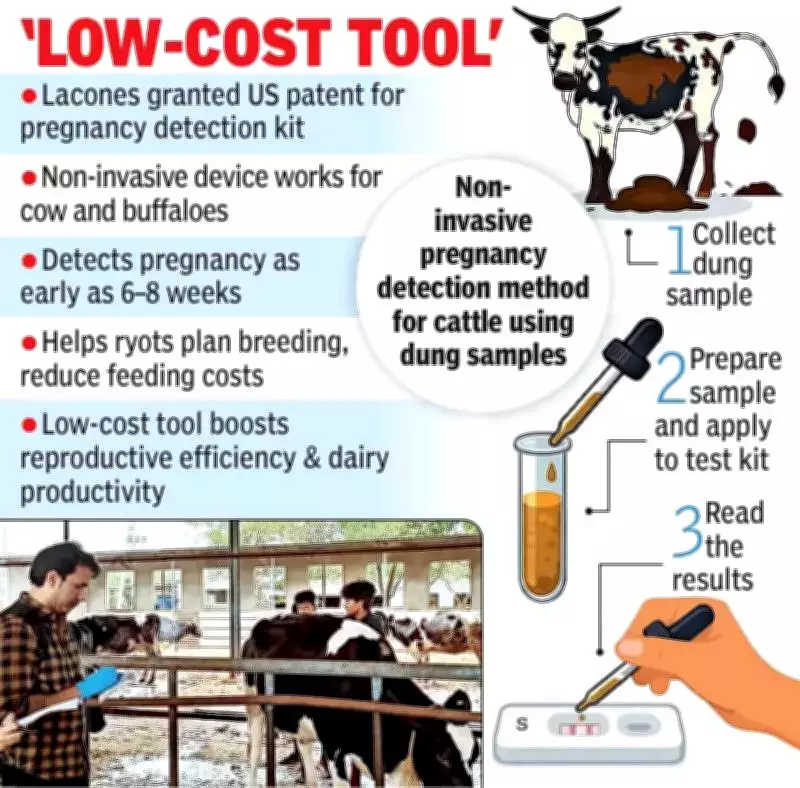
In a significant development for India's agricultural sector, the Laboratory for the Conservation of Endangered Species (Lacones) in Hyderabad has been granted a United States patent for its groundbreaking invention titled 'Non-Invasive and Early Pregnancy Detection Kit for Cattle and Buffaloes'. This innovative device is specifically designed to empower farmers by enabling them to detect pregnancy in their livestock at an early stage without requiring veterinary assistance.
Addressing Critical Needs in India's Dairy Sector
The timing of this patent grant is particularly crucial for India, which boasts the world's largest population of cattle and buffaloes. Millions of rural farmers across the country depend heavily on dairy production for their livelihoods and economic sustenance. The development of this low-cost, non-invasive detection device represents a potential game-changer for improving reproductive efficiency within dairy herds nationwide.
Traditional methods of pregnancy detection in cattle and buffaloes have relied on veterinary procedures such as uterine palpation, ultrasonography, and hormone measurement in blood or milk samples. These conventional approaches typically only become effective three to four months after conception has occurred, creating significant delays in reproductive management.

Scientific Breakthrough Using Novel Biomarker
To overcome these limitations, Lacones researchers identified a novel biomarker present in dung samples from cattle, buffaloes, and other animals. This discovery formed the scientific foundation for developing a lateral flow device that can reliably detect pregnancy as early as six to eight weeks after conception.
Scientist Govindswamy Umapathy of Lacones explained that early detection is critically important for farmers because it enables them to:
- Shorten inter-calving periods between pregnancies
- Reduce economic losses from maintaining non-pregnant animals
- Plan artificial insemination procedures more effectively
- Make timely breeding decisions based on accurate information
Practical Benefits for Farm-Level Implementation
The newly patented device is specifically positioned as a practical tool for use directly at the farm level, thereby reducing farmers' dependence on veterinary intervention for early-stage pregnancy detection. By helping identify non-pregnant animals sooner, the kit enables several important management improvements:
- Reduced feeding costs for animals that are not pregnant
- Better herd management through informed breeding decisions
- Improved reproductive planning efficiency
- Enhanced overall dairy productivity at the grassroots level
For rural farmers whose income depends substantially on dairy production, this innovation could transform reproductive management practices. The ability to detect pregnancy earlier and without professional assistance represents both a technological advancement and a practical solution to longstanding challenges in animal husbandry.
The US patent grant validates the scientific innovation behind this development while potentially opening doors for broader international adoption of this technology. As India continues to strengthen its agricultural infrastructure, such innovations that bridge scientific research with practical farming applications become increasingly valuable for sustainable rural development.