The Tree of 40 Fruit: A Living Masterpiece of Art and Science
At first glance, the Tree of 40 Fruit appears to be a digital illusion or a clever social media hoax—a single tree adorned with blossoms in a kaleidoscope of colors, later yielding an astonishing array of peaches, plums, cherries, apricots, and other fruits. Yet, this remarkable creation is entirely real, born from a visionary project that merges art, botany, and conservation into one living organism. Conceived by American professor Sam Van Aken, the tree has captivated audiences worldwide, becoming a viral emblem of how science, tradition, and creativity can transform our perception of nature.
The Visionary Behind the Tree: Sam Van Aken
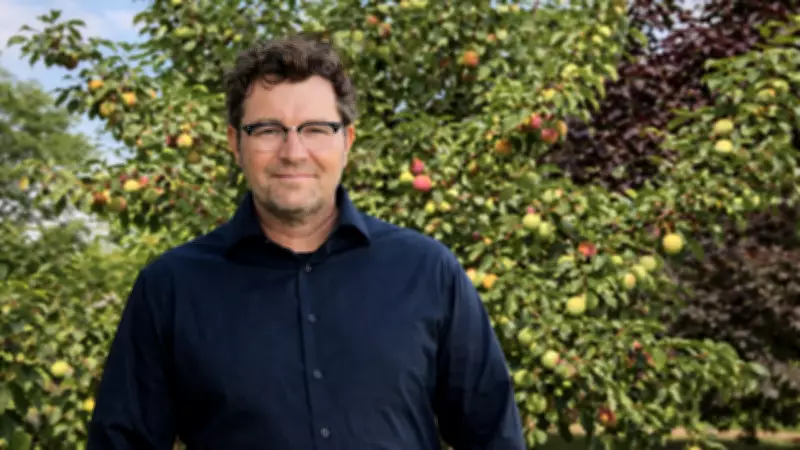
Sam Van Aken, a professor of art at Syracuse University, is the mastermind behind the Tree of 40 Fruit. Originally trained as a sculptor, Van Aken diverges from conventional static materials, instead embracing living systems as his artistic medium. His works are designed to evolve over time, shaped by natural growth, seasonal cycles, and human intervention. Van Aken's broader artistic practice focuses on making complex ecological issues tangible and accessible to the public. Rather than relying on abstract data, he crafts pieces that invite direct engagement, with the Tree of 40 Fruit serving as a prime example—functioning as a sculpture, an orchard, and an educational tool that prompts reflection on the intersections of food, art, and conservation.
How One Tree Produces 40 Different Fruits
The tree's seemingly miraculous diversity is achieved through grafting, a horticultural technique with roots stretching back thousands of years. Van Aken employs a precise method known as chip grafting, where a bud from one fruit variety is carefully inserted into the branch of a host tree. Over time, the tissues fuse, allowing the grafted branch to grow and bear fruit. A key factor in this process is that all fruits on the Tree of 40 Fruit belong to the same genus, Prunus, which includes stone fruits like peaches, plums, cherries, apricots, almonds, and nectarines. Their close biological relationship ensures vascular compatibility, explaining why the project succeeds while also highlighting its limitations—unrelated fruits, such as apples and oranges, cannot be combined in this way.

The Journey to Creation: Patience and Precision
The project commenced in 2008, but a Tree of 40 Fruit is not realized overnight. Each tree requires approximately five to seven years of meticulous grafting, pruning, and monitoring before all varieties stabilize and fruit reliably. The first fully realized tree, bearing all forty types of fruit, emerged around 2013–2014, once the final grafts matured and produced consistently. In this context, completion is a biological milestone rather than a symbolic one—it occurs only when every grafted variety survives and fruits dependably, showcasing the patience and dedication involved.
Rooted in Conservation: Preserving Heirloom Varieties
The inspiration for the Tree of 40 Fruit arose after Van Aken acquired a collection of stone-fruit trees from a closing agricultural research orchard in New York State. Many of these were heirloom cultivars that had fallen out of commercial favor and faced the risk of extinction. Instead of preserving them individually, Van Aken chose to combine them, creating a living structure capable of sustaining dozens of rare fruits on a single tree. Beyond its aesthetic appeal, the Tree of 40 Fruit acts as a form of living conservation. In an era where industrial agriculture often prioritizes uniformity and efficiency at the expense of genetic diversity, Van Aken's trees preserve numerous cultivars in public spaces, keeping them alive, fruiting, and visible. Unlike seed banks that store dormant potential, these trees actively demonstrate biodiversity in action.

A Lasting Impact: Challenging Assumptions and Inspiring Wonder
The Tree of 40 Fruit continues to resurface online, captivating audiences with its blend of impossibility and grounded science. It challenges preconceived notions about what trees can achieve, revealing that the answer lies not in genetic engineering but in traditional agricultural knowledge. This fusion of visual wonder, scientific explanation, and environmental relevance has cemented the Tree of 40 Fruit as one of the internet's most enduring examples of how nature, when carefully guided, can still astonish us. As a testament to human ingenuity and ecological stewardship, it invites us to rethink our relationship with the natural world.