U.S. Military Withdrawal from Syria Concludes After Iran War
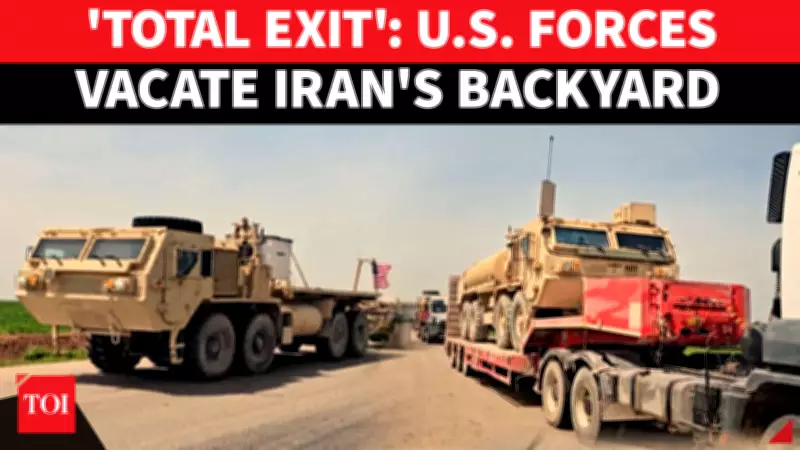
The United States has officially completed its military withdrawal from Syria, marking the end of a years-long presence that significantly influenced the dynamics of the regional conflict. This strategic exit involved handing over the final U.S. base and effectively dissolving the American footprint that once played a central role in countering various threats.
Evolution of the U.S. Mission in Syria
Initially launched as a mission against ISIS, the U.S. deployment gradually expanded into a broader strategic endeavor. Over time, U.S. forces collaborated closely with the Syrian Democratic Forces (SDF), managed detention facilities, and served as a counterbalance to both the Syrian government and Iran-backed militant groups. This multifaceted involvement shaped the conflict landscape, but with the withdrawal now complete, that structure has been dismantled.
Cautious Exit Amid Security Concerns
The withdrawal process was conducted with heightened caution due to persistent security threats. U.S. equipment was moved over land, with officials expressing concerns about potential attacks by Iran-aligned militias. This careful approach underscored the volatile environment in the region, particularly following the Iran war, which heightened tensions and necessitated meticulous planning for the troop departure.

Shift in Control and Regional Implications
With the U.S. exit finalized, control of former American positions is now transitioning toward Syrian forces under the leadership of Ahmed al-Sharaa. This transfer follows a ceasefire arrangement and integration moves involving the SDF, indicating a shift in the balance of power on the ground. The withdrawal raises questions about the future stability of the area and the potential for increased influence by other regional actors, including Iran and its proxies.
Broader Context and Strategic Impact
The completion of the Syria withdrawal comes after the Iran war, which has reshaped U.S. foreign policy and military priorities in the Middle East. This move reflects a broader realignment of American strategic interests, potentially reducing direct military involvement in the region while focusing on other global challenges. Analysts suggest that the exit could lead to:
- Increased regional instability as power vacuums may emerge.
- Enhanced roles for local forces like the SDF and Syrian government troops.
- Potential for escalated conflicts involving Iran-backed groups seeking to fill the void left by U.S. troops.
As the last batch of troops heads home, the long-term consequences of this withdrawal will likely unfold in the coming months, influencing diplomatic relations and security arrangements across the Middle East.