NASA Embraces Smartphone Era for Astronauts on Upcoming Space Missions
In a groundbreaking policy shift, NASA has announced that astronauts participating in the forthcoming Crew-12 and Artemis II missions will be permitted to carry their personal smartphones into space. This decision represents a significant departure from the agency's traditionally stringent regulations governing electronic devices in orbit, where every gadget must undergo rigorous testing and certification before clearance for spaceflight.
Revolutionizing Space Photography with Personal Devices
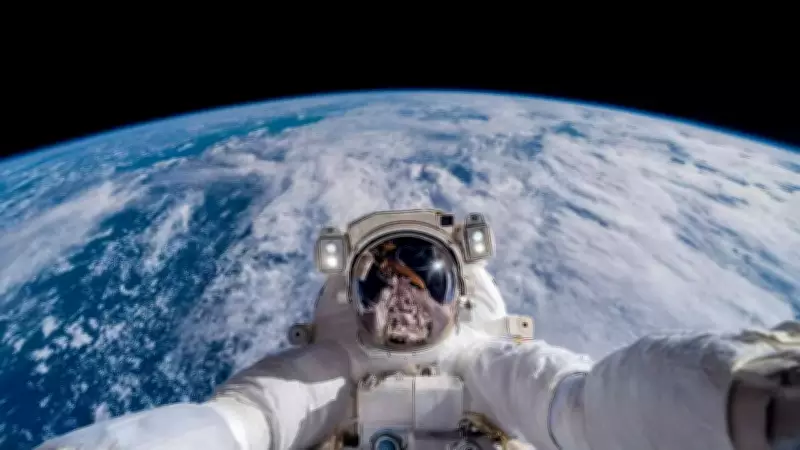
The announcement was made by NASA Administrator Jared Isaacman via social media platform X on February 5, signaling a new era where space photography could become more personal and accessible. For decades, NASA has maintained strict control over all equipment brought aboard spacecraft due to concerns about radiation damaging electronics and the potential for technical malfunctions in the harsh environment of space, where even minor glitches can pose serious risks 250 miles above Earth.
According to reports from AppleInsider, the most recent camera officially approved for the Artemis II mission was a 2016 Nikon DSLR, accompanied by GoPro cameras that are over a decade old. This technological gap highlights how space missions have often lagged behind consumer electronics advancements. The new smartphone policy promises to bridge this divide, allowing astronauts to capture spontaneous moments and share their experiences more authentically.

Mission-Specific Applications and Benefits
The Crew-12 mission, destined for the International Space Station (ISS), will transport four astronauts to address staffing shortages following a medical evacuation earlier this year. By enabling astronauts to document their daily lives and work using smartphones, NASA hopes to make the space station environment more relatable to people on Earth, fostering greater public engagement with space exploration.
Meanwhile, Artemis II represents NASA's first crewed lunar mission in over fifty years, featuring a ten-day flyby around the Moon with four astronauts aboard. The inclusion of personal smartphones on this historic journey could provide unprecedented visual documentation of humanity's return to lunar exploration, capturing moments that traditional mission cameras might miss.
Historical Context and Evolving Policies
While this marks a significant policy change for NASA's government-led missions, consumer electronics have made occasional appearances in space before. In 2011, two iPhone 4 devices flew aboard the final space shuttle mission, and various Apple products including Apple Watches, AirPods, iPads, and iPods have all spent time in orbit. The historical precedent extends even further back to 1991 when the Macintosh Portable sent the first email from space.
Private space missions have typically enjoyed more flexibility with personal electronics, and now NASA appears to be adopting a similar approach for its flagship programs. This evolution suggests the space agency recognizes the value of allowing astronauts greater personal expression and documentation capabilities during their missions, potentially humanizing space exploration in ways previously constrained by protocol.
The decision to permit smartphones reflects NASA's acknowledgment that modern consumer devices offer sophisticated capabilities that can complement official mission equipment. While safety protocols and operational requirements will still govern their use, this policy shift opens new possibilities for how astronauts interact with technology and share their experiences with the world below.