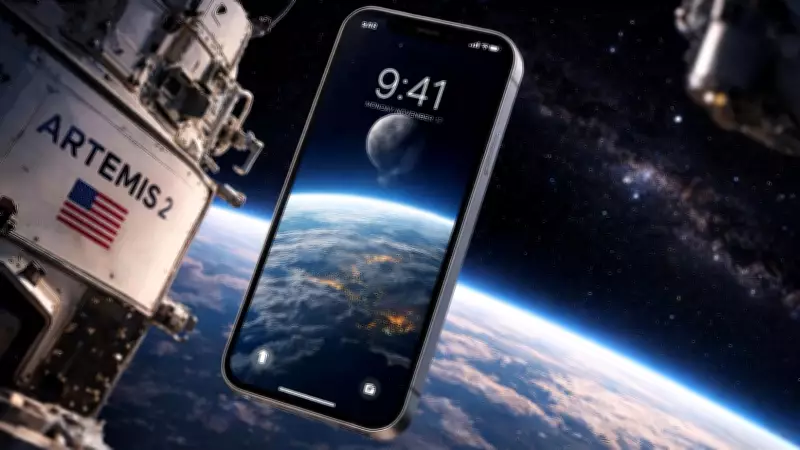
NASA Greenlights iPhones for Artemis II, Ushering in a New Era of Space Documentation
In a groundbreaking policy shift, the National Aeronautics and Space Administration (NASA) has officially approved the use of modern smartphones, including iPhones, for upcoming space missions, most notably the highly anticipated Artemis II lunar expedition. This decision, confirmed by NASA Administrator Jared Isaacman, represents a significant departure from the agency's historically cautious approach toward personal technology in space, opening the door for astronauts to document their journeys with the same devices they use daily on Earth.
A Personal Touch for the Moon Mission
While astronauts have long captured stunning imagery from space using specialized equipment, the integration of smartphones promises to revolutionize how these experiences are recorded and shared. Isaacman emphasized that this move is not merely about convenience but about empowering astronauts with simple, powerful tools to capture fleeting moments for their families and the global public. The ability to quickly record short videos or document unexpected events with a device that fits in a pocket could provide unprecedented, intimate glimpses into life aboard a spacecraft and on the lunar surface.
Previously, NASA astronauts were restricted from using personal smartphones onboard, relying instead on approved cameras that, in some cases, were technologically outdated. For Artemis II, the planned official camera was a Nikon DSLR from 2016, alongside older GoPro models. With iPhones now approved, astronauts will have access to compact, high-performance cameras that surpass this older equipment, potentially yielding more personal and immersive visual records of humanity's return to the Moon.

Challenging Outdated Regulations and Processes
Isaacman highlighted that this policy change is part of a broader initiative within NASA to re-evaluate long-standing rules and streamline the approval process for modern hardware. Qualifying any device for spaceflight involves rigorous testing for factors such as:
- Radiation exposure
- Extreme temperature fluctuations
- Vacuum conditions
- Vibration resistance
- Material safety
While these checks are essential for safety, Isaacman advocates for a review to determine if all requirements remain necessary in their current form, aiming to accelerate innovation without compromising security. This shift reflects a growing recognition that technology evolves rapidly, and regulatory frameworks must adapt accordingly to keep pace.
Historical Context and Future Implications
This is not the first instance of smartphones venturing into space. iPhone 4 models were aboard the final space shuttle mission in 2011, though their use was limited. More recently, astronauts on the International Space Station have primarily used tablets for communication. Private missions, such as Isaacman's Polaris flight and Axiom missions, have already permitted smartphones, demonstrating their viability. Now, NASA is officially aligning with this trend, setting the stage for the Moon to receive its first iPhone-captured photographs and videos.
The specific iPhone models approved for Artemis II have not yet been specified, but Apple has announced that this will mark the first extended use of iPhones in space. As NASA continues to modernize its approach, this decision could pave the way for further integration of consumer technology in future missions, enhancing both operational efficiency and public engagement with space exploration.