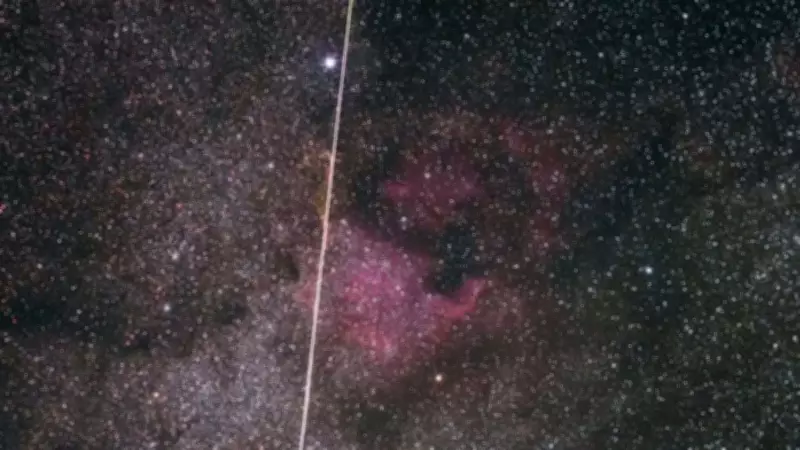
Lyrid Meteor Shower 2026: A Celestial Spectacle Returns
The annual Lyrid meteor shower is poised to grace the night sky from April 16 to April 30, offering astronomy enthusiasts a breathtaking opportunity to witness one of the oldest known celestial phenomena. This meteor shower has been observed for over 2,500 years, making it a historic event that continues to captivate stargazers worldwide.
Origins and Cosmic Connection
The Lyrids occur as Earth traverses through the debris trail left by Comet Thatcher. This comet, which last made an appearance in 1861, follows an elongated orbit around the Sun, taking approximately 417 years to complete one revolution. Its next return is not anticipated until 2283, highlighting the rarity of its influence on our skies.
Peak Timings and Meteor Rates
The meteor shower will reach its peak intensity on the night of April 22. During this period, observers can typically expect to see around 10 to 15 meteors per hour. However, the Lyrids are known for occasional surges that can dramatically increase activity, potentially producing up to 100 meteors in a single hour, creating a stunning visual display.

Radiant Point and Visibility
The meteors appear to emanate from the constellation Lyra, which ascends in the northeastern sky during the late evening and early morning hours. This radiant point serves as a guide for locating the shower, though meteors can streak across any part of the sky.
Distinctive Characteristics of the Lyrids
The Lyrids are renowned for their bright and fast-moving meteors, often accompanied by spectacular fireballs that can momentarily outshine even Venus. The vibrant colors of these meteors result from tiny dust particles, often no larger than a grain of sand, interacting with Earth's atmosphere. As these particles heat up and ionize, they create luminous streaks of light that gradually fade as they cool.
Viewing Conditions for 2026
In 2026, viewing conditions are projected to be moderate due to the peak coinciding with a half-illuminated Moon. This lunar presence may obscure some of the fainter meteors, but the brighter streaks should remain visible to the naked eye, ensuring a rewarding experience for dedicated watchers.
Optimal Viewing Locations
While there is no single best location for observing the Lyrids, darker areas away from artificial lighting are essential for clearer views. Ideal spots include:
- Coastal regions
- Hilltops
- Open fields
These landscapes offer uninterrupted vistas of the night sky, enhancing the chances of witnessing the meteor shower in all its glory.
Understanding Meteor Showers
A meteor is defined as a small fragment of interplanetary material that incinerates upon entering Earth's atmosphere at high velocity, producing a fleeting streak of light. When Earth intersects a stream of such debris, the event is classified as a meteor shower.
Upcoming Celestial Events
Following the Lyrids, the Eta Aquariids meteor shower will be visible from April 19 to May 6, providing another exciting opportunity for skywatchers to enjoy meteor activity in the coming weeks.