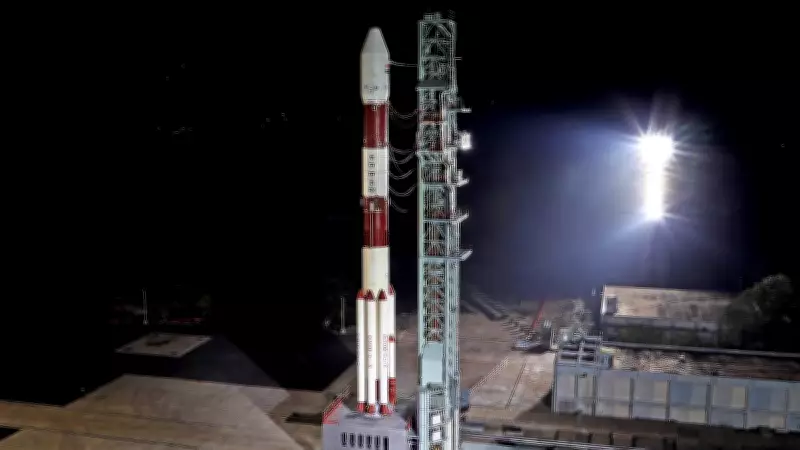
ISRO Announces June Relaunch for PSLV Following Investigation into Failures
The Indian Space Research Organisation (ISRO) has confirmed plans to relaunch its Polar Satellite Launch Vehicle (PSLV) in June 2026, marking a significant step after two back-to-back failures that temporarily halted its launch schedule. This decision comes after a thorough investigation into the incidents, which has definitively ruled out sabotage as a cause. Instead, the failures have been attributed to technical anomalies that are now being addressed to ensure future missions proceed smoothly.
Background on the PSLV Failures and Investigation Findings
ISRO experienced two consecutive failures with its PSLV missions in late 2025 and early 2026, which raised concerns within the scientific community and among stakeholders. The failures disrupted planned satellite deployments, including those for Earth observation and communication purposes. In response, ISRO initiated a comprehensive review involving experts from various fields to pinpoint the root causes.
The investigation team conducted detailed analyses of telemetry data, hardware components, and launch procedures. Their findings concluded that sabotage was not a factor, dispelling earlier speculations. Instead, the issues were traced to specific technical glitches in the vehicle's systems, which have since been identified and are undergoing rectification. This outcome underscores ISRO's commitment to transparency and safety in its space endeavors.

Implications for India's Space Program and Future Missions
The relaunch of the PSLV in June is crucial for restoring confidence in India's space capabilities, which have been a source of national pride and international recognition. The PSLV has a storied history of successful launches, making these recent setbacks notable. By addressing the technical problems head-on, ISRO aims to resume its momentum in satellite deployment, supporting sectors such as telecommunications, agriculture, and disaster management.
Looking ahead, this incident may lead to enhanced testing protocols and more robust quality assurance measures for future launches. ISRO has emphasized that lessons learned from these failures will be integrated into its operational framework to prevent recurrence. The successful relaunch could pave the way for upcoming missions, including those involving the Gaganyaan human spaceflight program and advanced satellite constellations.
Steps Taken for the June Relaunch and Broader Context
In preparation for the June relaunch, ISRO has implemented several corrective actions based on the investigation's recommendations. These include:
- Upgrading critical components of the PSLV to mitigate identified risks.
- Conducting additional simulations and ground tests to validate system performance.
- Enhancing monitoring mechanisms during launch phases to detect anomalies early.
This proactive approach reflects ISRO's dedication to maintaining its reputation as a reliable player in the global space arena. The broader context involves India's growing role in space exploration, with initiatives aimed at fostering innovation and collaboration. The PSLV's return to service is expected to bolster these efforts, contributing to scientific advancements and economic growth.
In summary, the June relaunch represents a pivotal moment for ISRO as it navigates challenges and strives for excellence in space technology. With sabotage ruled out and technical fixes in place, the focus now shifts to achieving a successful mission that reaffirms India's position in the cosmos.