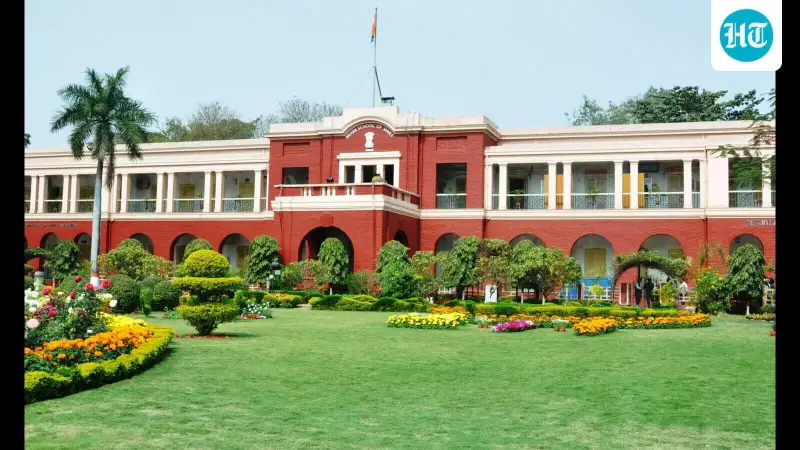
In a significant push towards sustainable rural energy, the Indian Oil Corporation Limited (IOCL) has formally joined hands with the Indian Institute of Technology (Indian School of Mines), Dhanbad, to develop an innovative clean energy system. The collaboration was cemented on Thursday with the signing of a Memorandum of Agreement (MoA).
A CSR Initiative for Rural Transformation
The project is fully funded by IOCL under its Corporate Social Responsibility (CSR) activities, with a sanctioned amount of Rs 76.42 lakh. The initiative aims to design and implement a solar hydrogen–based system for clean cooking and micro-power generation specifically tailored for rural households. The signing ceremony saw the presence of key figures including IIT-ISM director Sukumar Mishra and Sanjeev Kumar Chaudhary, the executive director and head of IOCL's Bihar state office, alongside other senior officials from both institutions.
Addressing Health Risks and Fuel Dependence
Officials highlighted the dual benefit of the proposed technology. Primarily, it seeks to reduce dependence on biomass fuels like wood and dung cakes, which are commonly used in traditional rural kitchens. A critical co-benefit is addressing the severe health risks posed by indoor smoke, a burden disproportionately borne by rural women who spend hours cooking on conventional ovens. By providing a clean, smoke-free alternative, the project directly targets a major public health concern.

Aligning with National Green Goals
This partnership is strategically aligned with broader national objectives. Director Sukumar Mishra stated that the collaboration strengthens efforts to build sustainable, indigenous energy systems that can uplift rural livelihoods. The project dovetails perfectly with the National Green Hydrogen Mission, a flagship government program aimed at making India a global hub for green hydrogen production and use. Furthermore, it resonates with IOCL's CSR vision of fostering sustainable and community-centric technological solutions.
The development marks a concrete step towards translating India's clean energy ambitions into actionable, on-ground projects that have the potential to improve quality of life, empower communities, and contribute to environmental conservation.