

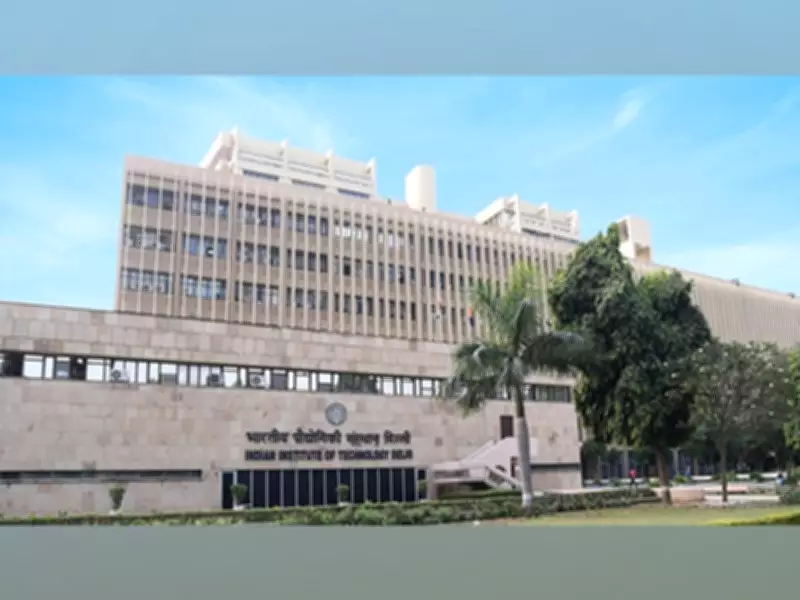
IIT Delhi and Jindal Steel Announce Major Research Collaboration
In a significant development for the engineering and construction industries, the Indian Institute of Technology Delhi (IIT Delhi) has entered into a strategic partnership with Jindal Steel & Power Limited (JSPL). This collaboration is specifically aimed at advancing research in structural steel, a critical material used in infrastructure projects worldwide.
Focus on Innovation and Technological Advancement
The partnership will leverage IIT Delhi's academic expertise and research capabilities alongside Jindal Steel's industrial experience and resources. The primary goal is to develop new technologies and solutions that enhance the performance, sustainability, and efficiency of structural steel in various applications, including buildings, bridges, and other large-scale constructions.
Key areas of research are expected to include:

- Development of high-strength and lightweight steel alloys.
- Improvements in corrosion resistance and durability under environmental stresses.
- Innovations in fabrication and construction techniques to reduce costs and timelines.
- Sustainability initiatives, such as recycling and eco-friendly production methods.
Benefits for Industry and Academia
This alliance is poised to create a symbiotic relationship between academia and industry. IIT Delhi students and researchers will gain hands-on experience with real-world challenges, while Jindal Steel can tap into cutting-edge scientific insights to stay competitive in the global market. The collaboration is also likely to foster skill development and job creation in the engineering sector.
Experts believe that such partnerships are crucial for driving innovation in India's manufacturing and infrastructure domains. By combining theoretical knowledge with practical applications, this tie-up could lead to breakthroughs that address pressing issues like urban development and climate resilience.
Future Prospects and Impact
The research outcomes from this collaboration are anticipated to have far-reaching implications. Enhanced structural steel technologies could contribute to safer, more durable, and cost-effective infrastructure projects, aligning with national initiatives like 'Make in India' and sustainable development goals. Both institutions have expressed commitment to long-term cooperation, with plans for joint workshops, publications, and potential commercialization of innovations.
This partnership underscores the growing trend of industry-academia collaborations in India, highlighting a proactive approach to solving complex engineering challenges through shared expertise and resources.






