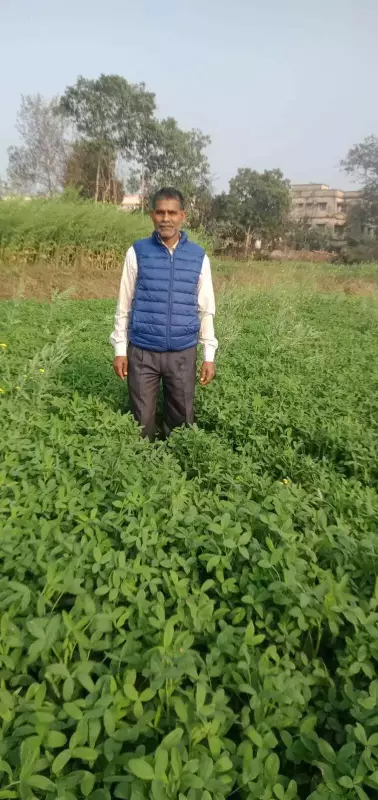
In a remarkable example of rural innovation, a farmer from Jharkhand's Hazaribag district has successfully woven together dairy farming, renewable energy, and food processing to create a thriving, multi-faceted enterprise. Arun Kumar's integrated model is now a blueprint for sustainable agriculture and self-reliance in the region.
From Five Cows to a Modern Dairy Powerhouse
Residing in Gurchatti village under the Barkagaon block, Arun Kumar began his journey with just five cows. With determined efforts and crucial backing from the Mukhyamantri Pashudhan Yojana and the district animal husbandry department, he systematically expanded his operation. Today, his 'Sita Dairy Farm' is home to 18 cattle, producing an impressive 185 litres of milk daily.
Kumar made a strategic shift from cross-breed Holstein Friesian cattle to focus on indigenous breeds like Sahiwal, Gir, and desi cows. He cites their superior adaptability to local conditions and lower susceptibility to diseases as key reasons for the change. To enhance animal welfare, he installed rubber cow mats, providing a soft, non-slip surface that reduces joint stress, prevents injuries, and improves overall hygiene, directly contributing to better milk yield.

Harnessing Clean Energy for Sustainability
Understanding the need for reliable and clean power, Kumar integrated renewable energy solutions into his farm's core operations. He installed a 3kW solar power plant to ensure an uninterrupted electricity supply. Furthermore, a 100-litre solar water heater guarantees a steady supply of warm water for the cattle throughout the year, regardless of the season.
With support from the district administration, he also established a two-cubic-metre biogas plant. This unit fulfills his household's cooking fuel needs. The residual biogas slurry is not wasted; it is used as high-quality organic manure to cultivate nutrient-rich fodder crops like azolla, napier grass, berseem, maize, and Sudan grass. This circular practice slashes input costs while significantly boosting cattle nutrition.
Diversification and Value Addition for Higher Profits
Kumar's vision extends beyond selling raw milk. He has diversified into value-added products to capture a larger share of the market. His farm now produces paneer and other milk-based items, which are supplied directly to customers via home delivery, creating a separate and steady revenue stream. Additionally, he produces and supplies vermicompost beds to fellow farmers, promoting organic fertiliser use in the community.
Deputy Commissioner Shashi Prakash Singh praised Kumar's initiative, stating that his integrated model highlights the tangible impact of government schemes in fostering rural self-employment. It demonstrates how combining traditional dairy farming with renewable energy and value addition can build resilient and sustainable livelihoods.
The success of this enterprise has transformed Kumar's family's economic fortunes, enabling him to provide quality education for his children. While his son now runs a private engineering firm in New Delhi, the dairy farm in Hazaribag stands as a beacon, inspiring local farmers to adopt scientific animal husbandry and clean energy practices for a prosperous future.