

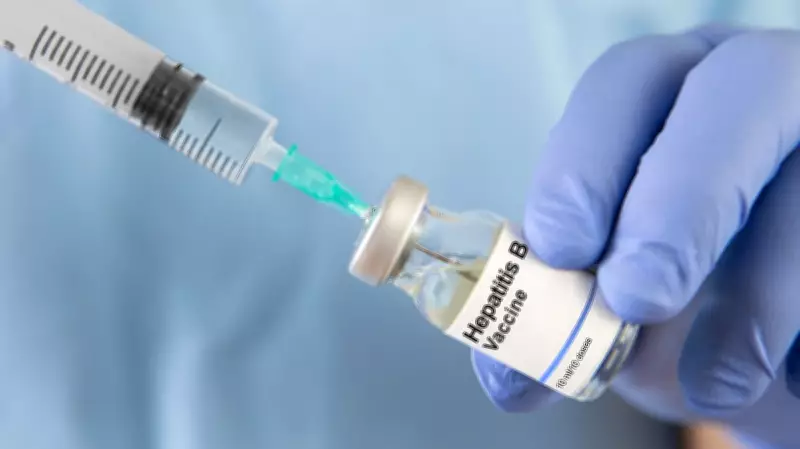
In a significant medical breakthrough, doctors have announced that Hepatitis B is no longer a barrier to organ donation. Successful transplantation is now possible through regular monitoring of the recipient's and donor's liver function, according to healthcare professionals.
Medical Advancements Enable Transplants
Experts highlight that with proper management and continuous monitoring, individuals with Hepatitis B can both donate and receive organs safely. This development expands the pool of potential donors and offers hope to patients on waiting lists.
Key Factors for Success
- Regular assessment of liver function in both donor and recipient.
- Use of antiviral therapies to control the virus.
- Close post-transplant monitoring to prevent complications.
Doctors emphasize that the decision to proceed with transplantation depends on individual health status and viral load. However, the previous absolute exclusion of Hepatitis B patients from organ donation has been revised.

Impact on Organ Donation Rates
This change is expected to increase organ donation rates, particularly in regions with high Hepatitis B prevalence. It also reduces the stigma associated with the disease, encouraging more people to register as donors.
Medical professionals urge the public to consider organ donation, noting that many lives can be saved through this revised protocol.






