Blue Origin Shifts Focus from Suborbital Tourism to Lunar Ambitions
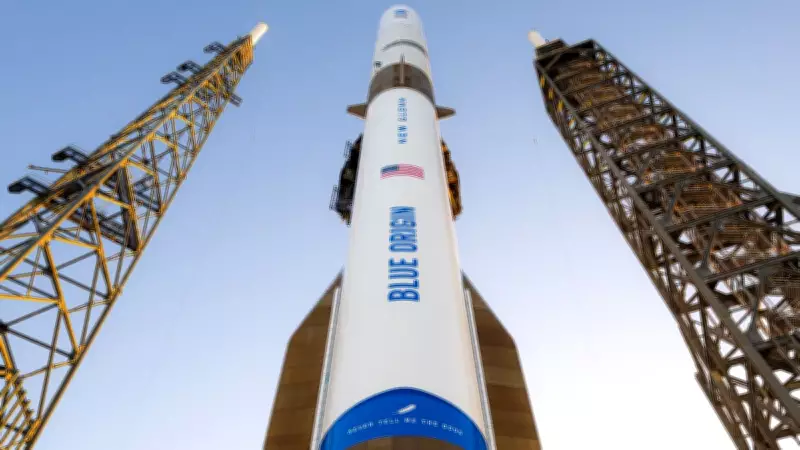
In a significant strategic pivot, Jeff Bezos' aerospace company Blue Origin has announced the temporary suspension of its New Shepard suborbital rocket missions. This decision is aimed at reallocating engineering and financial resources toward the accelerated development of the Blue Moon lunar lander, a critical component of NASA's ambitious Artemis program. The move underscores the company's commitment to supporting America's return to the Moon, with a targeted mission date set for 2026.
New Shepard Program Takes a Backseat to Lunar Priorities
The New Shepard vehicle, which has successfully conducted numerous crewed and uncrewed flights to the edge of space, facilitating space tourism and scientific research, will now enter a period of operational hiatus. Blue Origin officials have clarified that this pause is not permanent but a necessary step to ensure the company meets its contractual obligations with NASA. The primary objective is to dedicate maximum effort to the Blue Moon lander, which is designed to transport astronauts and cargo to the lunar surface as part of the Artemis missions.
Accelerating Development for NASA's Artemis Timeline
NASA's Artemis program aims to establish a sustainable human presence on the Moon, with Artemis III slated to land astronauts near the lunar South Pole by 2026. Blue Origin's Blue Moon lander is a key element in this endeavor, competing with other commercial partners to provide lunar landing services. By pausing New Shepard flights, Blue Origin can streamline its workforce and technical expertise to overcome development challenges and adhere to the tight schedule mandated by NASA. This reallocation of resources is expected to enhance testing, manufacturing, and safety protocols for the lunar lander.

Implications for Space Tourism and Industry Dynamics
The suspension of New Shepard missions may temporarily impact the burgeoning space tourism sector, where Blue Origin has been a prominent player alongside competitors like Virgin Galactic. However, industry analysts view this as a strategic long-term investment. Focusing on the Artemis program positions Blue Origin for lucrative government contracts and advances its goal of enabling a future where millions of people live and work in space. The company has assured that existing customer commitments for New Shepard will be honored, with plans to resume flights once lunar priorities are secured.
Broader Context of Global Space Exploration
This development occurs amid intensifying global competition in space exploration, with nations and private entities vying for lunar access and resources. Blue Origin's shift highlights the growing emphasis on deep-space missions over suborbital ventures. As NASA collaborates with commercial partners to reduce costs and foster innovation, such strategic pauses reflect the dynamic nature of the aerospace industry, where priorities can rapidly evolve based on technological and economic factors. The success of the Blue Moon lander could pave the way for future missions to Mars and beyond, aligning with broader human exploration objectives.