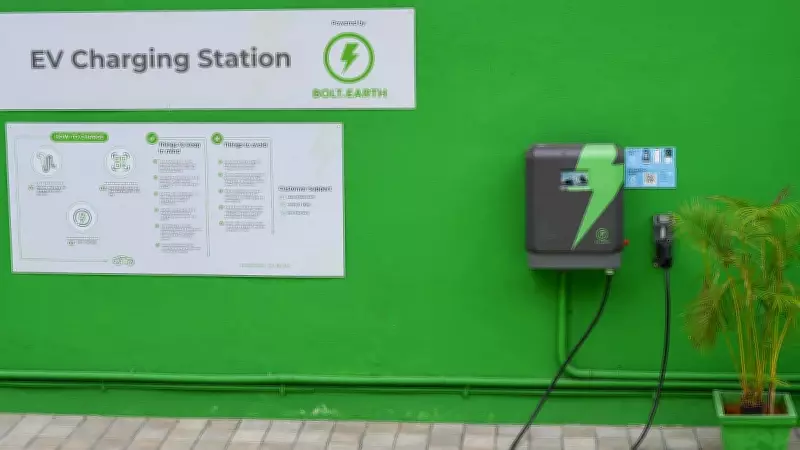
Bengaluru's residential welfare associations (RWAs) and apartment owners are approaching electric vehicle (EV) charging infrastructure with caution, citing potential safety hazards in older buildings. Many apartments with lower electrical load capacity and outdated wiring could face risks if multiple EVs are charged continuously, experts warn.
Safety Concerns in Older Buildings
Older apartment complexes, built before the EV boom, often lack the electrical infrastructure to handle the high power demand of EV chargers. Continuous charging of several vehicles can overload circuits, leading to short circuits or fires. RWAs are therefore conducting electrical audits before approving installations.
Load Capacity and Wiring Issues
According to electrical engineers, many buildings have wiring designed for basic household appliances, not the sustained high current required by EV chargers. Upgrading the main panel and dedicated circuits can be costly, and some associations are hesitant to bear the expense. Residents are advised to consult certified electricians and obtain No Objection Certificates (NOCs) from RWAs.

Regulatory and Insurance Factors
The Bangalore Electricity Supply Company (BESCOM) has issued guidelines for safe EV charging, but compliance remains voluntary. Insurance companies may also deny claims if accidents occur due to non-standard installations. RWAs are thus insisting on compliance with national electrical codes.
Gradual Adoption
Some apartments are adopting phased approaches, installing a few chargers initially and monitoring load. Others are exploring smart charging systems that distribute load across time. The common consensus is to prioritize safety over speed of adoption.
As EV sales rise in Bengaluru, the need for standardized retrofitting guidelines becomes urgent. Until then, RWAs urge residents to be patient and avoid DIY charging setups.