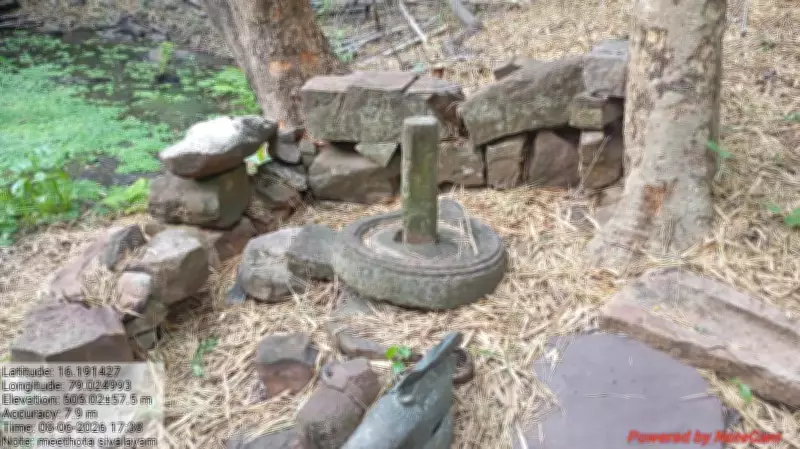
The Archaeological Survey of India (ASI) has initiated a comprehensive epigraphical survey in the Nallamala forest region to identify and document ancient inscriptions. These inscriptions are expected to reveal the historical, social, and cultural significance of the area between the 11th and 16th centuries CE.
Survey Under Security
The survey is being conducted under heightened security arrangements in coordination with forest officials, as teams enter the tiger reserve of the Nallamala forest. The ASI’s epigraphy wing is focusing on locating stone inscriptions, copper plates, and other historical records believed to be scattered across the forest, particularly along ancient routes leading to Srisailam.
Potential Findings
ASI director (epigraphy) K Munirathnam Reddy stated that the findings could provide valuable information about rulers, temple activities, land grants, and developmental works undertaken centuries ago. He emphasized that the survey aims to scientifically document inscriptions in the Nallamala region and preserve historical information. “We received information about several inscriptions from local tribals. It is crucial to identify them, study their contents, and preserve details for future generations. The inscriptions may reveal properties donated to temples, administrative systems of ancient rulers, and their development activities,” he said.

Survey Areas
The survey teams are focusing on forest stretches across parts of Kurnool, Nandyal, Prakasam, and Palnadu districts. Some inscriptions have already been noticed along pathways used by pilgrims and travelers heading towards Srisailam. The ASI is working to locate additional inscriptions and analyze their historical importance.
First Major Survey
Munirathnam Reddy noted that this is the first major survey of its kind by the ASI in the Nallamala forest tiger reserve. “The inscriptions can shed light on the region’s history and contributions of different dynasties. A detailed study will help us understand the evolution of temples, settlements, and cultural practices,” he added.
Historical Context
The Nallamala forests have historically served as an important route to the Srisailam temple. Many rulers who visited the region constructed facilities for pilgrims, including rest houses, mandapams, water tanks, and other structures. They also left behind inscriptions recording their contributions and religious grants.
Systematic Survey Benefits
ASI officials believe that a systematic survey could bring to light unknown historical details buried in the forest landscape. The inscriptions may also help establish links between ancient rulers and the development of religious centers in the region.
Support from Forest Department
Forest department officials are supporting the ASI team by facilitating access to interior areas and ensuring safety during survey operations. The exercise is expected to continue for the next two days as officials examine more locations for inscriptions and archaeological evidence.