Aircraft Boneyards: The Desert Havens Where Retired Jets Find New Purpose
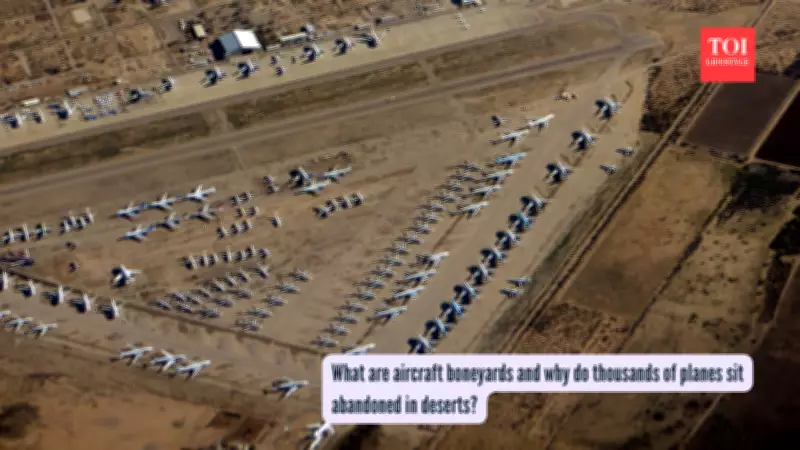
Imagine soaring high above a sun-baked desert landscape, glancing out the window, and spotting hundreds of massive airplanes lined up like forgotten toys in the sand. This sight might seem frightening at first, sparking endless questions: Are they crashed? Abandoned forever? Or is there a more practical explanation behind this eerie scene? These locations, often called aircraft boneyards, serve as the aviation world's quiet backstage, where retired jets wait out their days under the relentless sun, playing a crucial role in the industry's lifecycle.
What Exactly Are Aircraft Boneyards?
Aircraft boneyards, also known as graveyards, are massive storage sites specifically designed for planes that have been pulled from active service. Unlike simple dumps, these facilities function as dynamic hubs for preservation, part harvesting, and recycling. They handle a wide variety of aircraft, from commercial passenger jets to military fighters. Notable examples include the Davis-Monthan Air Force Base in Arizona, which holds thousands of aircraft and is managed by the US Air Force, showcasing the scale and importance of these operations.
Why Are Deserts the Ideal Location for These Boneyards?
Deserts are chosen for aircraft storage due to their unique environmental conditions. The low humidity prevalent in these areas helps prevent rust and corrosion, which are major threats to metal structures. Additionally, the hard-packed soil, such as the caliche found in Arizona, provides a stable foundation that supports heavy aircraft without the risk of sinking or the need for expensive pavement. As highlighted by the BBC regarding Davis-Monthan, "The climatic conditions in Arizona – dry heat, low humidity, little rain – mean aircraft take a lot longer to rust and degrade." With minimal rainfall, maintenance requirements are significantly reduced, allowing planes to remain stored for decades in a relatively preserved state.

The Arrival and Storage Process for Retired Aircraft
When planes first arrive at a boneyard, crews undertake a meticulous preparation process to ensure their longevity. This involves draining all fuel and fluids to prevent leaks and hazards. Engines and other openings are then sealed with spray-on coatings to protect against sun exposure and dust infiltration. The aircraft are arranged in orderly rows to maximize space and accessibility. Routine checks are performed, including rotating tires and testing systems, in case these planes need to be reactivated during high-demand periods, such as pandemics or military surges. To further safeguard against environmental damage, white reflective covers are often used to protect sensitive areas like cockpits and propellers from harmful UV rays.
How Are Parts Harvested and Reused from These Planes?
Valuable components from retired aircraft are systematically removed and repurposed, providing significant cost savings for the aviation industry. Key parts such as engines, avionics systems, and landing gear are harvested and used on active aircraft, saving airlines millions of dollars compared to purchasing new replacements. This process, known as "cannibalisation," is a strategic practice that helps maintain airline fleets in a cost-effective manner. As noted in industry reports, "Parts of the aircraft are removed for reuse or resale," underscoring the economic and practical benefits of this approach.
Recycling or Revival: The Final Fate of Stored Aircraft
For planes that reach the end of their usable life, the journey often concludes with full dismantling and recycling. Materials like aluminum are melted down and repurposed for products such as beverage cans, while titanium might find new life in items like golf clubs. However, not all stories end here; some aircraft experience a revival. For instance, B-52 bombers have been reactivated after years in storage, demonstrating that boneyards can also serve as temporary holding areas for potential future use. This dual role highlights the versatility and sustainability of aircraft boneyards in managing aviation resources.