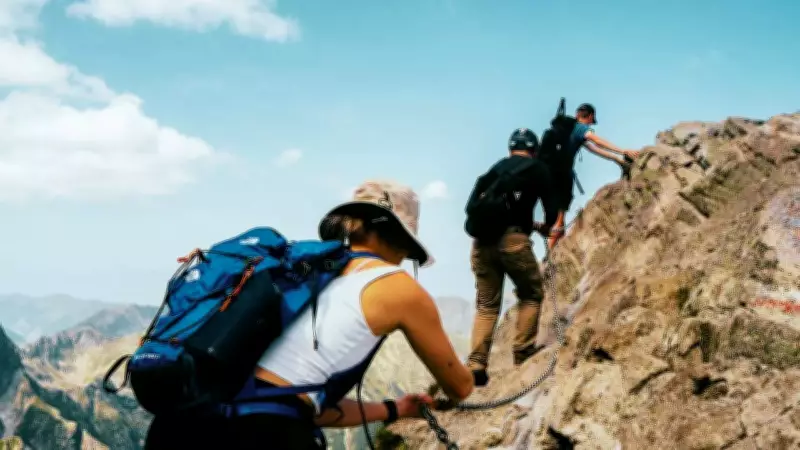
Blame it on picture-perfect social media posts or the human desire for challenge, but high-altitude expeditions are surging in popularity, especially after the pandemic. Demand is rising for Everest Base Camp, Kilimanjaro, Aconcagua, Island Peak, Lobuche, and even full Everest summits. According to a report published in Kathmandu Times, Nepal issued 469 Everest permits in spring 2025, one of the highest totals ever, following a record 479 permits in 2023. Early permits for 2026 are already ahead of the previous year at the same point. The country's Department of Tourism reported that climbing permit revenue tripled in 2025 compared with previous years, indicating stronger demand and higher spending.
Shreekant Dhumale, Founder of Sagarmatha Explorers, shares insights exclusively with Times Travel on how high-altitude expeditions are not what they appear to be, and reveals eight things no one actually tells you about them.
1. Your Gym Membership Does Not Guarantee a Summit
Dhumale has seen elite athletes who crush it in the gym get flattened by altitude within three days, while 55-year-old hobbyist hikers who just walk their dog every day stroll past them. The mountain does not care about personal bests on a treadmill or protein shakes. High altitude is a game of biology and adaptation, not just muscle. The secret is patience, not strength. In his camps, they say: "Slow is fast, fast is slow." Go slower than you think you need to.

2. Getting Sick Is Not a Weakness
There is a "tough guy" culture where trekkers hide headaches or nausea out of embarrassment. Altitude sickness is a physical, biological reaction, like a sunburn or bee sting. It is not a reflection of character or fitness. Reporting symptoms early allows for rest, hydration, or pace adjustment. Hiding them due to pride can lead to HAPE or HACE, requiring a helicopter evacuation. Trust your guide, not your ego.
3. You Will Forget What a Good Night's Sleep Feels Like
At over 5,000 meters, the body re-tunes itself to survive on 50 percent less oxygen, causing periodic breathing. You may wake up feeling like you forgot to breathe, with a racing heart. Dhumale advises not to chase sleep but to chase rest. Lying still in a sleeping bag allows recovery even if eyes are open. Accept mountain insomnia, listen to the glaciers, and stay warm. Sleep will come when the body is ready.
4. The Real Battle Is the Six Inches Between Your Ears
About 70 percent through a summit push, the body will quit. Legs feel like lead, lungs burn, and fingers feel alien. The brain makes logical excuses: "I have seen enough," "I miss my bed," "I am not a professional." Those who summit are not necessarily the ones with the biggest lungs; they are the ones who can silence that inner voice for just five more hours. It is a mental game of one more step. Use poles, find a rhythm with breathing, and keep moving.
5. Eat Even When Food Looks Like Cardboard
At high altitudes, appetite vanishes as the body shuts down non-essential functions like digestion to save oxygen for the heart and brain. But without fuel, the body cannot maintain core temperature in sub-zero winds. Dhumale has had to parent grown adults into finishing their dal bhat or force-feed them a Snickers bar. Think of food as medicine: you do not have to like it, you just have to take it. "Dal Bhat Power, 24 Hour" is a survival strategy.
6. The Summit Fever Trap
Getting to the top is only half the journey. Most accidents happen on the way down because people use all their energy to reach the peak, leaving nothing for the descent. A summit is a temporary ego boost; getting back to base camp is the real victory. A guide's job is to watch your fuel gauge. If they say it is time to turn around, even if the peak is right there, it is because they want you alive to tell the story. The mountain will always be there next year; you might not be.

7. Hygiene Is a Creative Art Form
You will go a week or two without a proper shower. You will become best friends with wet wipes and learn the mountaineer's wash. You will wear the same socks for three days. It sounds gross at home, but on the mountain, it becomes the norm. You stop caring about how you smell and start caring about how your toes feel. Small things like keeping feet dry and preventing water bottles from freezing inside the sleeping bag become the most important tasks.
8. You Will Come Back Different
You go up wanting a trophy, a medal, or a profile picture, but you come back with perspective. After a week living out of a duffel bag and pushing past your breaking point, the "big problems" back in the city—traffic, emails, slow Wi-Fi—do not seem so big anymore. You realize you are tougher than you thought, and that humans do not need much to be truly happy: warmth, food, and a clear view of the stars. The mountains are beautiful but honest. They do not care about your job title or bank account, only your preparation and spirit.