

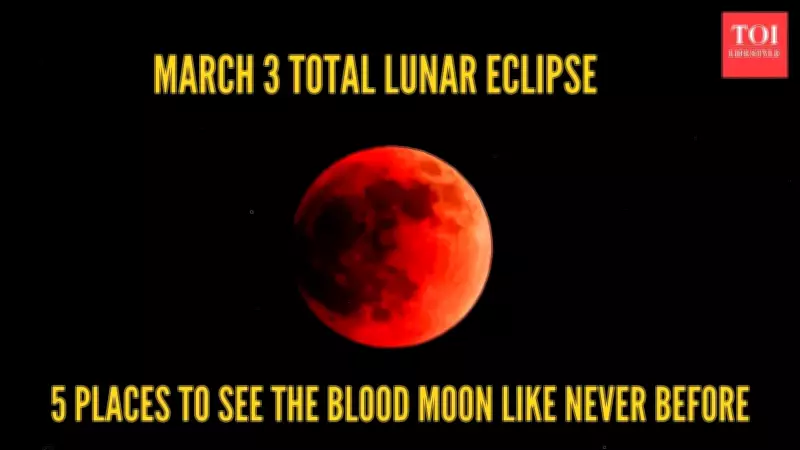
Total Lunar Eclipse 2026: A Spectacular Blood Moon Event
Mark your calendars for an extraordinary celestial spectacle! On March 3, 2026, the Moon will pass completely into Earth's shadow, creating a breathtaking total lunar eclipse. During this astronomical phenomenon, our lunar neighbor will transform into a deep, mesmerizing red hue, earning its popular nickname: the blood moon. This rare event promises to be an unforgettable visual experience for skywatchers across the globe.
Why the Moon Turns Red During a Lunar Eclipse
The science behind the blood moon's crimson appearance is both fascinating and beautiful. During a total lunar eclipse, Earth positions itself directly between the Sun and the Moon, blocking direct sunlight from reaching the lunar surface. However, some sunlight manages to filter through Earth's atmosphere, bending and scattering as it passes. This atmospheric filtering process strips away most colors except for red and orange wavelengths, which then illuminate the Moon with that characteristic reddish-orange glow. Unlike solar eclipses, observing a lunar eclipse is completely safe and requires no special protective eyewear.
Prime Viewing Locations Around the World
The most favorable viewing conditions for the 2026 total lunar eclipse will occur in Australia, the Pacific region, and western North America. Astronomy experts have identified these areas through careful analysis of historical cloud cover data and light pollution maps. While weather forecasts remain uncertain this far in advance, statistical averages for early March indicate these regions typically offer clearer skies. According to astronomical sources, several locations stand out as exceptional viewing spots:

- Grand Canyon National Park, USA - With totality occurring from 4:04 am to 5:02 am MST, this iconic location offers expansive views from Mather Point, Hermit's Rest, and Rim Trail despite average cloud cover of 63%.
- Horsetooth Mountain Open Space, USA - Featuring a public stargazing event organized by the Northern Colorado Astronomical Society and promoted by NASA from 3:30 am to 5:30 am MST, this location boasts 60% average cloud cover.
- Arkaroola Wilderness Sanctuary, Australia - This remote wilderness area offers exceptionally dark skies with only 24% average cloud cover during totality from 9:34 pm to 10:32 pm ACDT.
- Warrumbungle Dark Sky Park, Australia - As Australia's first designated Dark Sky Park and home to Siding Spring Observatory, this inland location provides clearer skies with 45% average cloud cover during totality from 10:04 pm to 11:02 pm AEDT.
- Saguaro National Park, USA - Recognized as the world's ninth Urban Night Sky Place, this Sonoran Desert location benefits from proximity to major observatories including Kitt Peak, Mount Graham, and Mount Lemmon.
How to Watch the Eclipse from India
While the full eclipse won't be visible from India, astronomy enthusiasts can still participate through several accessible methods. Live streaming options will be available through various astronomy websites and organizations, allowing viewers to experience the event in real-time. Astronomy apps can provide detailed tracking information and notifications. For those hoping to catch any partial visibility, checking local weather forecasts a few days before the event is recommended to ensure clear skies. No special equipment is necessary, though binoculars can enhance viewing by revealing finer details on the lunar surface.
A Rare Celestial Opportunity
This total lunar eclipse represents a particularly rare astronomical event. According to astronomical sources, the next comparable total lunar eclipse visible from Earth won't occur until the New Year's Eve period of 2028-2029. Whether you're planning to travel to one of the prime viewing locations or watching remotely from India, this blood moon promises to be one of the most visually stunning sky events of the decade. Prepare your viewing plans, find a comfortable spot, and get ready to witness this remarkable celestial display.






