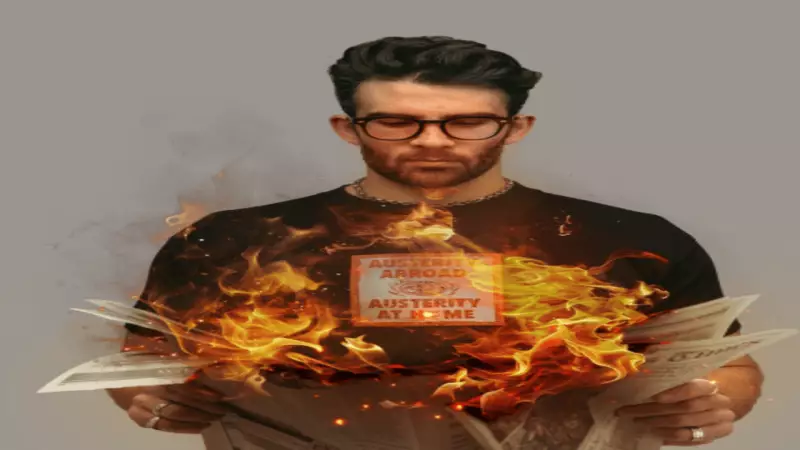
Popular political streamer Hasan Piker, known online as HasanAbi, has issued a forceful public condemnation of fellow high-profile creators, accusing them of normalizing dangerous real-world harassment. This comes after a masked fan directly confronted him during a live street broadcast in Ireland on December 3, 2025.
The IRL Confrontation That Sparked the Outburst
During his outdoor stream, a fan wearing a mask suddenly approached Hasan, holding up a sign that read “Free Kaya.” This slogan references a prior controversy from October 2025, where a clip appeared to show Hasan's dog, Kaya, reacting in pain on stream, leading to widespread allegations of animal cruelty involving a shock collar. Commentators like Ethan Klein had heavily publicized the clip, labeling the alleged act as psychopathic.
For Hasan, this in-person ambush was not just a tasteless meme but a serious escalation. He argued it represented a blurring of lines where online criticism transforms into real-world stalking and confrontation. Instead of ignoring the incident, Hasan used his platform to call out specific creators he believes are responsible for cultivating this toxic environment.

Naming Names: Accusations Against Top Creators
Hasan did not mince words. He directly criticized Asmongold for allegedly celebrating the masked fan's actions. Hasan pointed out the hypocrisy where the same online communities and creators would condemn other serious incidents, like the alleged sexual assault involving streamer Emiru, yet cheer on harassment against him.
He also targeted Ethan Klein and Steven “Destiny” Bonnell, accusing them of amplifying the "Free Kaya" narrative and other controversies to a point where fans feel empowered to cross serious boundaries. Hasan's core argument is that by treating such IRL confrontations as memes or entertainment, these creators are setting a dangerous precedent that endangers the safety of streamers.
A Broader Warning About Streamer Culture and Safety
Hasan framed this incident as part of a disturbing pattern. He referenced past conflicts where he felt Destiny had promoted or tolerated violent threats against him. His central warning is clear: applauding or joking about fans showing up uninvited normalizes stalking and harassment.
He urged the streaming community to take accountability for the tone they set. Treating doxxing, public confrontation, or stalking as content is not just irresponsible—it actively creates risk. Hasan's call-out marks a significant moment, demanding that creators consider the real-world consequences of their rhetoric and how it fuels certain fan behaviors.
Whether this leads to a broader shift in how streamer culture handles fan engagement remains to be seen. However, Hasan's message is unequivocal: the line between online drama and real-world danger must be respected, and creators have a duty not to encourage its erosion.