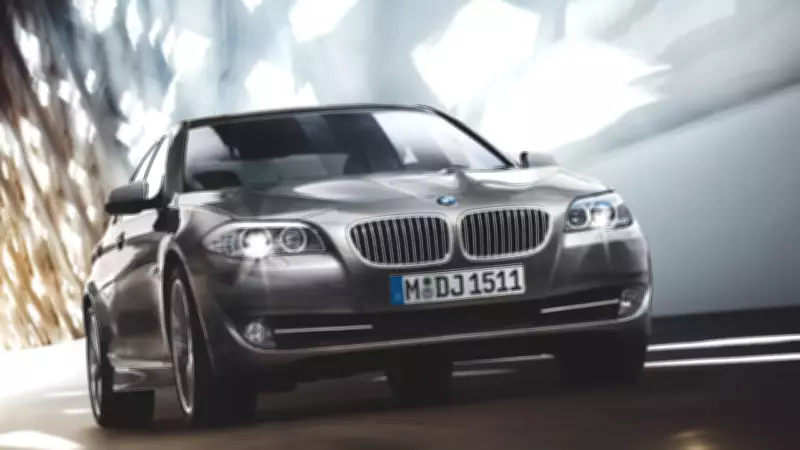
Why BMW Cars Command Premium Prices: Engineering, Materials & Tech Explained
BMW vehicles consistently carry premium price tags, a deliberate strategy rooted in the brand's commitment to engineering excellence and luxury craftsmanship. Behind the iconic blue-and-white emblem lies a global network of research centers, design studios, materials laboratories, and testing facilities that develop vehicles years before they reach showrooms. According to technical documents and official briefings from BMW, a substantial portion of the cost is allocated to advanced powertrains, meticulous interior detailing, proprietary safety systems, and rigorous durability trials conducted across extreme environments like deserts, snowfields, and high-speed tracks. Even without the badge, BMW represents an obsessively refined manufacturing process focused on research, development, and extended product lifecycles.
Engineering Excellence and Driving Dynamics
BMW's heritage is built on delivering precise driving dynamics, with chassis tuning, multi-link suspensions, and powertrain calibration developed in-house to achieve what engineers term "the ultimate driving machine." These development programs are inherently expensive, requiring prototype fleets, extensive track testing, and specialized manufacturing techniques that are integrated into the vehicle's core specifications rather than offered as optional extras. Official model overviews and design briefs on BMW's website emphasize these systems as fundamental to each model's character, justifying the higher investment.
Advanced Software and Connectivity Integration
Modern BMWs incorporate comprehensive software features, including the BMW Intelligent Personal Assistant, driver-assistance aids, connected services, and over-the-air updates. These are not mere add-ons but deeply integrated hardware-software systems that BMW documents as part of its digital ecosystem. This integration demands significant upfront research and development costs, along with secure, automotive-grade electronics that far exceed the expense of consumer-grade technology.

Premium Materials and Customization Options
Luxury buyers expect superior materials, and BMW's "BMW Individual" program delivers with exclusive paint finishes, full-grain Merino leather, and hand-finished interior trims produced in limited runs. These high-quality materials involve higher procurement, machining, and quality-control costs, which are reflected in the price when bundled into packages or model specifications. Official specification guides and BMW Individual pages clearly outline the craftsmanship and sourcing behind these premium offerings.
Electrification and Next-Generation Platforms
The shift toward electrification has further increased unit costs, as batteries, power electronics, and dedicated EV platforms are expensive to develop and produce. BMW's official pages on electric models and the Neue Klasse roadmap reveal substantial investments in next-generation cell chemistry, thermal management, and energy-dense battery packs. These innovations contribute to higher retail prices for early-generation technologies and premium-range batteries, with some costs passed to buyers to fund the transition while maintaining quality and range standards.
Safety, Regulatory Compliance, and Market-Specific Pricing
BMW's global models must adhere to stringent safety and emissions regulations across various markets, and compliance is not cost-free. Engineering crash structures, advanced airbag systems, and tuning for diverse homologation standards add manufacturing complexity. Additionally, localized pricing strategies and taxes, such as import duties and GST, influence country-specific price differences, as documented in BMW's regional press releases, including those from BMW India, which often cite market conditions for periodic adjustments.
Ownership Experience and Ongoing Support
Beyond the initial purchase, BMW sells a premium ownership package that includes certified service networks, warranty coverage, and digital services like apps, remote diagnostics, and concierge features. These services require dealer training, parts logistics, and secure cloud infrastructure, with ongoing costs integrated into both purchase pricing and the brand's overall value proposition, as outlined on BMW's owners and services pages.

In summary, a BMW's price encompasses more than just propulsion; it covers extensive R&D in hardware and software, high-grade materials, handcrafted options, regulatory compliance, and a global support network. For many customers, this premium translates into engineered character, precise handling, cutting-edge digital features, bespoke finishing, and the assurance that components and support meet the advertised standards, making the investment worthwhile for those seeking luxury and performance.