The Reality of High-Tech Car Features on Indian Roads
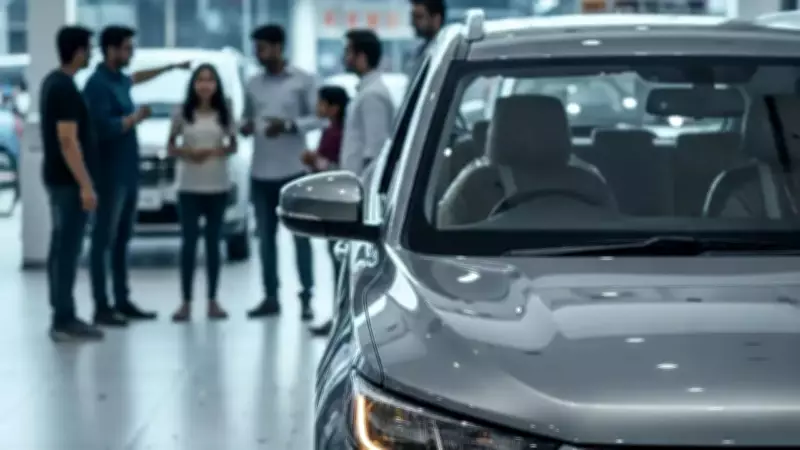
Purchasing a new automobile in India has transformed into a distinctly modern experience. Upon entering any showroom, prospective buyers are immediately confronted with extensive feature lists, expansive digital displays, and models brimming with cutting-edge technology. While this technological showcase appears thrilling and undoubtedly influences purchasing decisions alongside traditional factors like engine performance and fuel efficiency, a deeper examination reveals a significant disconnect. The harsh realities of Indian roads, congested traffic patterns, extreme weather conditions, and unique daily driving habits frequently do not align with the intended functionality of these advanced features. Consequently, numerous sophisticated car amenities see minimal use after the initial weeks of ownership, becoming little more than expensive novelties.
Gesture Control: A Futuristic Feature with Practical Flaws
Gesture control stands as a prime example of this technological mismatch. It presents a futuristic appeal and impresses during dealership demonstrations, where a simple hand wave is supposed to manage audio tracks or adjust vehicle settings. However, in the unpredictable environment of real-world Indian driving, this feature often proves inconsistent. It may activate at inappropriate moments or fail to respond altogether. During navigation through chaotic traffic, such unpredictability can become a genuine distraction. Most owners eventually deactivate this system entirely, reverting to more reliable touchscreen interfaces or steering-mounted physical controls for their daily needs.
Powered Tailgates: Premium Appeal Meets Practical Concerns
Powered tailgates offer another instance where premium feel clashes with everyday practicality. While theoretically helpful when one's hands are occupied, in the Indian context, several drawbacks emerge. The mechanism's often slow operation, susceptibility to sensor errors, and anxiety over costly repairs following minor collisions—common in tight parking scenarios—diminish its appeal. In crowded parking lots or confined basement spaces, many drivers actually prefer the direct control and simplicity of a manually operated boot, finding it faster and more dependable.

Rear-Seat Entertainment Screens: Overshadowed by Personal Devices
Rear-seat entertainment screens, particularly marketed in family-oriented vehicles, project an image of luxury and convenience. Yet, their utility is severely limited in an era where smartphones and tablets are ubiquitous. Children and adults alike typically favor their personal devices, which offer familiar interfaces, personalized content, and portability. Furthermore, these in-built screens can become technologically obsolete quickly and entail expensive repairs if damaged, making them a questionable long-term investment for most Indian families.
Voice Commands: The Promise of Hands-Free Convenience Unfulfilled
Voice command systems promise seamless, hands-free operation but frequently disappoint in practice. Background noise from bustling Indian streets, strong regional accents, and unreliable speech recognition software combine to create a frustrating user experience. Repeating the same command multiple times negates the very convenience it is supposed to provide. After several unsuccessful attempts, a significant number of car owners abandon voice control features altogether, opting for manual input methods.
Wireless Charging: A Solution with Limitations
Wireless charging pads fall into a similar category of features with conditional usefulness. While convenient in theory, they often charge devices slower than traditional wired chargers and can cause phones to overheat. On India's frequently uneven and broken road surfaces, smartphones tend to slide off the charging pad, interrupting the power flow. For the majority of users, a simple, tethered charger remains a more efficient and reliable solution for keeping devices powered on the go.

Auto Park Assist: Struggling in Unstructured Environments
Automatic parking assistance is another advanced feature that struggles to adapt to Indian conditions. These systems are engineered for neatly demarcated parking bays, which are a rarity. Instead, they must contend with tight, irregular spots, uneven surfaces, and the unpredictable movements of other vehicles and pedestrians. This chaotic environment often confuses the vehicle's sensors and software. Consequently, most Indian drivers place greater trust in their own parking skills and judgement rather than relying on an automated system.
The Panoramic Sunroof: A Selling Point with Limited Utility
Finally, the panoramic sunroof has emerged as a major selling point, especially in popular compact SUV and midsize car segments. However, in a nation where summer temperatures routinely soar past 40 degrees Celsius, this feature remains closed and its shade drawn for the vast majority of the year. Additional factors like pervasive dust, high pollution levels, and concerns about potential leaks or costly long-term maintenance further restrict its actual usage. For many owners, it becomes a one-time novelty to demonstrate to friends before fading into the background as a largely unused component.
It is crucial to clarify that none of these features are inherently flawed. They significantly enhance a vehicle's showroom appeal and help manufacturers differentiate their products in a fiercely competitive automotive market. However, for the pragmatic Indian car buyer, fundamental aspects such as robust build quality, reliable after-sales service, fuel efficiency, and comfortable ride quality on challenging roads continue to hold paramount importance over high-tech gimmicks that may not withstand the test of daily Indian driving life.