

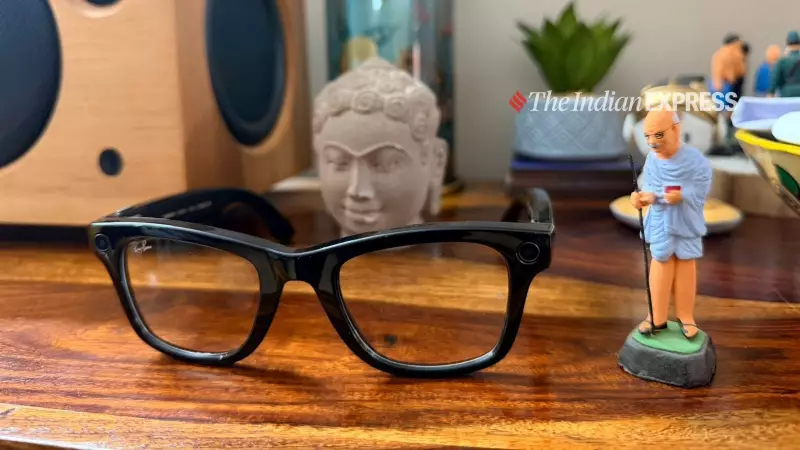
Ray-Ban Meta Glasses 2: A Glimpse Into a Smartphone-Free Future
I spent two full weeks wearing the new Ray-Ban Meta Glasses 2. This experience convinced me that smart glasses might finally replace your smartphone for many daily tasks. With advanced features integrated directly into eyewear, we are moving closer to a world where constant smartphone peering becomes unnecessary. Only activities like video streaming and gaming might still require that handheld screen.
A Natural Recording Experience
Recording life from a first-person perspective feels incredibly natural with these glasses. The unique point-of-view captures moments discreetly, even if others notice you are recording. It is far less intrusive than carrying a camera around. Imagine visiting monuments or parks overrun by reel creators. You can join them without annoying anyone.
There is something special about POV videos shot in 3K resolution. The world sees exactly what you see, from your specific angle. This perspective adds significant value during gatherings or important meetings. Simply say, "Hey, Meta, record" or take a photo with a voice command. The glasses offer 32GB of storage for long recordings. I did miss the direct streaming feature available in the first-generation model, however.

Your Personal AI Companion
During my testing in Kerala, someone handed me a Malayalam pamphlet. I asked the glasses to read it. Meta AI identified the language and topic but could not translate Malayalam yet. For larger, downloaded languages enabled via the Meta AI app, real-time translation works seamlessly. This makes the glasses an ideal travel accessory, especially since they double as sunglasses in bright light.
The AI can decipher almost anything the glasses see. It identifies landmarks, products, and even familiar faces like Narendra Modi and Mamata Banerjee. With some prompting, it reads newspaper articles aloud. This functionality offers great assistance for people with disabilities.
Connected to the internet via your smartphone, this AI companion answers diverse queries. It can identify a plant in the park or explain complex concepts like marginal propensity to consume. Meta AI handles many tasks well but struggles with real-time news. A request for the latest headlines from The Indian Express returned outdated information.
Immersive and Private Audio
The audio quality genuinely impressed me. I did not expect such a well-rounded experience from glasses without earpieces. Music and podcasts reach your ears clearly, even in noisy environments. This outperforms many open-ear and bone-conducting earphones I have tried. Best of all, no one around you can hear what you are listening to, ensuring complete privacy.
Seamless Connectivity
Like AirPods, these glasses let you make and take calls easily. I called my father using just a voice command. The call quality remained excellent throughout, thanks to five built-in microphones. Throughout the day, the glasses alert you to incoming WhatsApp messages. This can become irritating with frequent notifications, but it ensures you never miss important updates.
Reducing Screen Time
Features like these integrated into glasses could drastically reduce smartphone use. We might only need phones for content consumption like videos and games. This shift could gradually lower screen time, helping us focus better on real-world activities. Smartphones have evolved from communication tools into constant distraction devices. Smart glasses like the Ray-Ban Meta Glasses 2 might help reclaim our attention from screens.
Note: This review is based on personal testing over two weeks. The glasses represent a significant step toward wearable technology that complements, and potentially replaces, smartphone functions in everyday life.






