Karnataka Government Unveils Affordable Computing Solution
The Karnataka government has taken a significant step toward bridging the digital divide with the launch of KEO, an innovative low-cost computer unveiled during the inaugural day of the Bengaluru Tech Summit. The device, whose name stands for Knowledge-driven, Economical and Open-Source computer, represents a major initiative in making computing technology accessible to broader segments of the population.
IT/BT Minister Priyank Kharge announced that the KEO will be available to consumers at an introductory price of Rs 18,999, with deliveries commencing within 60 days of pre-order. The device has already garnered significant corporate interest, with business leaders Kris Gopalkrishnan and Kiran Mazumdar Shaw committing to distribute 1,000 units across state schools through corporate social responsibility initiatives.
Technical Specifications and Design
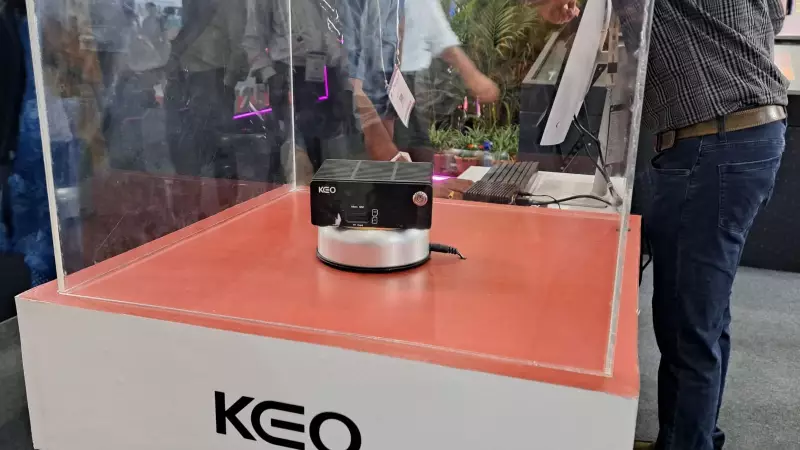
At first glance, the KEO resembles a medium-sized power bank, but closer inspection reveals it to be a compact workstation computer similar in form factor to Apple's Mac Studio. Despite its modest price point, the device packs substantial computing power with a 64-bit quad-core processor and 8 GB of RAM.

The storage configuration includes 32 GB of internal memory with the capability to support up to 1 TB of external storage. Connectivity options are comprehensive, featuring both Wi-Fi access and a SIM card slot specifically designed to ensure internet connectivity in areas without Wi-Fi infrastructure.
The device's cost-effectiveness is partly achieved through its reliance on open-source software. It operates on the Linux-based Ubuntu operating system and comes pre-installed with essential applications including the Mozilla Firefox browser and LibreOffice software suite. Physical connectivity includes USB A and USB C ports, HDMI port, and an audio jack.
Development and Future Plans
The development journey for KEO spanned approximately one year and was spearheaded by Karnataka's Department of Electronics, Information Technology & Biotechnology in collaboration with the state-run Karnataka State Electronics Development Corporation Limited (KEONICS).
According to KEONICS Chairperson Sharath Bache Gowda, the RISC-V processor powering the device was designed and developed in Bengaluru and fabricated in Taiwan. The corporation is currently evaluating assembly locations within India, with Mysuru and several other domestic sites under consideration.
Minister Kharge acknowledged that current pricing reflects the ongoing global supply chain challenges affecting rare earth minerals essential for components like RAM. However, he assured that prices would be reduced once these supply constraints ease.
The government has ambitious plans to further develop what it describes as an "inclusion device." International collaboration appears promising, with a Japanese delegation expressing interest in partnering on future development. A memorandum of understanding is expected to be finalized by the conclusion of the Bengaluru Tech Summit on May 20.
Functionality and Demonstration
Sample devices displayed at the summit demonstrated impressive capabilities. One unit ran an algorithm that successfully detected both distance and height of individuals standing before a connected camera. Another KEO device operated the Ubuntu system with performance comparable to entry-level computers currently available in the market.
Among the more ambitious features under development is an AI bot named BUDDH, designed to respond to queries based on the state curriculum for classes 8 through 10. This educational assistant draws from the Sikshanpedia database containing state textbook content, though developers acknowledge this feature remains a work in progress.

It's important to note that KEO functions as a standalone computing unit, requiring users to purchase peripheral devices including monitor, keyboard, and mouse separately. This approach allows for flexibility in customization while maintaining the core device's affordability.
The launch of KEO represents a significant milestone in India's journey toward digital inclusion, potentially setting a benchmark for other states to follow in developing affordable computing solutions tailored to local needs and constraints.