

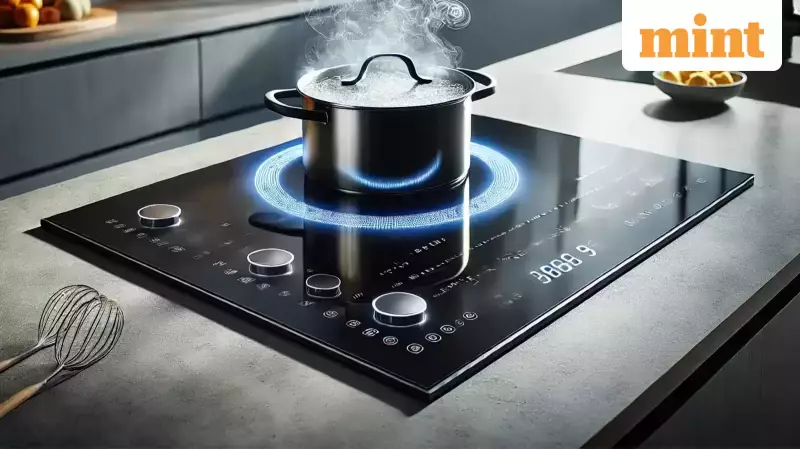
Induction cooktops are quickly becoming a favorite in modern kitchens across India. These appliances offer impressive energy efficiency, superior safety compared to traditional gas stoves, and remarkably fast heating times. Unlike conventional methods, induction technology heats the cookware directly using magnetic energy, not the surface. This direct transfer allows water to boil in just minutes and significantly cuts down on wasted heat.
The Common Concern: That Buzzing Sound
For many new users, however, induction cooking can present a few puzzling moments. One frequent source of anxiety is a distinct low humming or buzzing noise that seems to come from the cooktop during operation. It's natural to wonder if this sound indicates a malfunction or a developing fault with the appliance.
Experts Say: Usually, It's Perfectly Normal
According to specialists in induction technology, a gentle buzzing sound is typically nothing to worry about. Chloe Blanchfield, a product marketing manager at Hisense UK, clarifies the science behind it. Induction cooktops generate an electromagnetic field to transfer energy directly into the pan. This powerful magnetic field can cause the metal of the cookware to vibrate slightly. It is this vibration that produces the characteristic humming or buzzing noise you hear.

The intensity of the sound often correlates with the heat setting. You are more likely to notice the buzzing when cooking on higher power levels. The electromagnetic activity is simply more vigorous at these settings, leading to more pronounced vibrations.
The Role of Your Cookware
The type of pots and pans you use plays a crucial role in the sound produced. Thinner, lightweight pans are more susceptible to vibration. This can amplify the buzzing noise considerably. You might even notice the sound changing when you switch from one pan to another during cooking.
Experts provide a simple and cost-effective solution: upgrade your cookware. Using thicker, heavy-bottomed pots and pans, specifically those labeled as induction-compatible or made from materials like tri-ply, can dramatically reduce the vibration and the accompanying noise. This is a far more affordable fix than considering a replacement of the entire cooktop unit.
Another Normal Source: The Cooling Fan
Many modern induction cooktop models incorporate an internal cooling fan. This fan activates to prevent the electronic components from overheating during extended use. A soft buzzing or a gentle vibration can sometimes originate from this fan's operation. In the vast majority of cases, this is a standard and harmless function of the appliance.
When Should You Be Concerned?
While most buzzing is benign, there are specific situations where the noise warrants attention. Induction experts advise users to be cautious if the sound becomes very loud, unusually high-pitched, or simply sounds strange and out of the ordinary.
Specific red flags include:
- Rattling or clanking noises.
- Sharp, whining sounds.
- A persistent, loud buzz that continues even on very low heat settings.
These types of noises could potentially indicate a loose component, a fault in the internal electronics, or another issue. If the noise feels abnormal to you or suddenly intensifies, the safest course of action is to stop using the cooktop immediately. Arrange for a professional inspection to diagnose any potential problems and prevent further damage.
Embracing the Technology
For most households, a mild buzzing or hum is simply an inherent part of how induction technology functions. Once you understand the reasons behind the sound—the interaction of magnetic fields with your cookware and the operation of cooling systems—it becomes much less mysterious. This knowledge transforms induction cooking from a potentially worrying experience into an easy, efficient, and enjoyable part of your daily kitchen routine.






