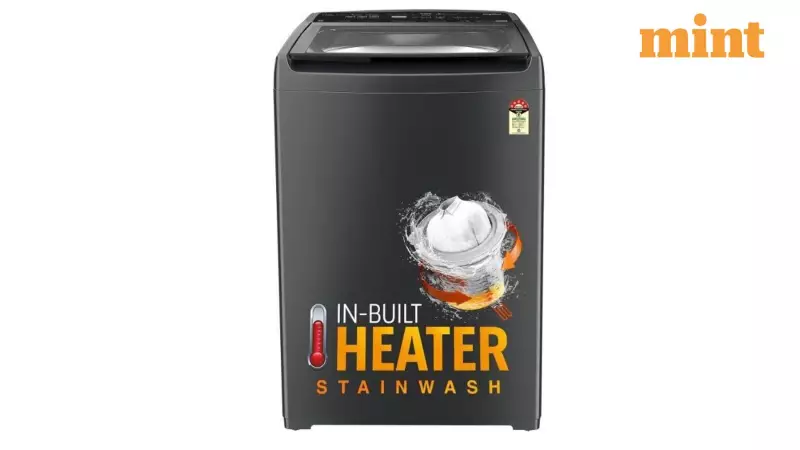
The Hot Water Revolution in Indian Laundry Rooms
Indian households are experiencing a significant transformation in their approach to laundry management. The traditional cold-water washing methods that dominated Indian homes for decades are now making way for advanced built-in heater washing machines. This shift represents more than just a technological upgrade—it's a response to evolving lifestyle needs and environmental challenges.
The growing preference for heated wash systems stems from their ability to deliver deeper cleaning, superior fabric care, and noticeably fresher results. As Indian families become more conscious about hygiene and garment maintenance, these machines are transitioning from luxury items to practical necessities.
Why Hot Water Matters in Indian Conditions
Daily laundry in India confronts unique challenges that go beyond ordinary dirt removal. Clothes regularly accumulate sweat, dust, traffic pollution, stubborn food stains, and hard water marks. The combination of humid weather, rising pollution levels, and intense summer sweating creates ideal conditions for bacteria growth on fabrics.

Traditional cold-water washing often proves inadequate against these challenges. It frequently fails to eliminate germs and persistent dirt, leaving clothes visually clean but hygienically compromised. Built-in heater machines address these gaps by employing controlled hot-water cycles that significantly boost washing performance.
Modern Indian families, particularly in metropolitan areas, are recognizing that heated washing provides a comprehensive solution to their daily laundry struggles. The convenience of having hot water available directly within the machine, without dependence on home geysers, makes the process seamless and fully automatic.
Hygiene Advantages That Indian Families Need
The primary driver behind the shift to built-in heater washing machines is the undeniable hygiene advantage. Hot water serves as a natural disinfectant that effectively eliminates various types of bacteria commonly found on Indian clothing. Given the high exposure to dust, pollution, and close-contact environments, daily wear accumulates germs and allergens at an accelerated rate.
These machines heat water to temperatures reaching 60 degrees Celsius or higher for specific wash programs. At these temperatures, body oils, deodorant marks, food spills, and sweat residues loosen and wash away more efficiently. Households with infants, elderly members, or individuals with health concerns find this feature particularly valuable for ensuring proper sanitization.
Contemporary washing machines often include specialized hygiene modes that combine hot water with enhanced drum movements to guarantee deeper penetration and thorough cleaning. The outcome is visibly cleaner laundry that maintains freshness for extended periods.
Superior Stain Removal for Indian Kitchen Challenges
Stain removal efficiency improves dramatically with heated water, addressing a common frustration in Indian households. The strong spices, oils, and sauces used in Indian cooking create particularly stubborn stains that cold water struggles to dissolve. Hot water effectively breaks down grease and enhances detergent activation, substantially reducing the time spent pretreating stained areas.
Many families who previously relied on overnight soaking now trust their machines to handle most heavy-duty cleaning. This not only saves time but also preserves fabric quality by minimizing manual scrubbing and harsh chemical treatments.
Conquering India's Hard Water Problems
Hard water remains a persistent concern across numerous Indian regions. The mineral content in hard water interferes with detergent effectiveness, leading to dull fabrics, soap residue, and stiff clothes after washing. Built-in heater machines tackle this issue by heating water before detergent dissolution, reducing mineral interference and enabling better detergent mixing.
This approach offers two significant benefits: improved washing results even in historically hard water areas, and protection for machine components against scaling. Hard water deposits that typically accumulate inside washing machines and reduce lifespan are effectively dissolved through regular hot-water cycles.

Families residing in apartments with borewell water or regions with high mineral content report noticeable improvements after switching to built-in heater models. Clothes become noticeably softer, and colors maintain their vibrancy through more wash cycles because detergents can perform optimally.
Intelligent Fabric Care for Diverse Indian Wardrobes
Contrary to common assumptions about hot water damaging fabrics, modern machines carefully manage temperature settings to ensure gentle treatment. They provide multiple heat levels, allowing users to safely wash different fabric types. Lightly warm water works perfectly for daily wear, cottons, and linens, while higher temperatures suit towels, bedsheets, and heavily soiled items.
Delicate fabrics and synthetics run on controlled warm cycles that protect fibers from stress and damage. This careful balance between heat application and fabric protection makes built-in heater machines appealing to style-conscious Indian households.
Clothes washed in warm water feel noticeably softer against the skin and maintain cleaner scents. During winter months, warm-water washes provide additional comfort by eliminating the stuffy, damp odors that often develop in cold, humid conditions. This is particularly relevant for Indian winters characterized by high fog, limited sunlight, and persistent humidity that causes clothes to dry slowly and develop musty smells.
Energy Efficiency Meets Modern Convenience
Earlier reservations about hot-water washing focused on energy consumption concerns, but technological advancements have largely addressed these issues. Newer washing machines incorporate efficient heating systems that minimize power usage. Built-in heaters now heat only the required water quantity rather than the entire drum contents.
Many models feature rapid heating coils that reach desired temperatures quickly, conserving both time and electricity. Additionally, contemporary machines include inverter motors and smart wash sensors that reduce energy consumption throughout the entire wash cycle. Eco modes combine reduced water usage with optimized heat levels to ensure efficient operation.
The convenience factor significantly enhances value for Indian families. Built-in heaters enable instant hot-water washing without geyser dependency, making them ideal for households with multiple members requiring laundry services at different times throughout the day.
The Future of Indian Laundry Care
The transition to built-in heater washing machines reflects broader changes in Indian household priorities regarding hygiene, cleaning effectiveness, and fabric maintenance. These appliances deliver fresher outcomes, stronger stain removal, softer laundry, and more reliable performance even under challenging water conditions.
With escalating pollution levels, increasingly busy lifestyles, and growing health consciousness, hot-water washing has evolved from luxury preference to practical necessity for numerous Indian families. The market response has been equally impressive, with leading brands like IFB, Bosch, Whirlpool, and Panasonic offering feature-rich models at competitive prices.
As awareness spreads about the multiple benefits of heated washing, and as manufacturers continue enhancing energy efficiency, built-in heater washing machines are poised to become the new standard in Indian homes, fundamentally transforming how families approach their daily laundry routines.