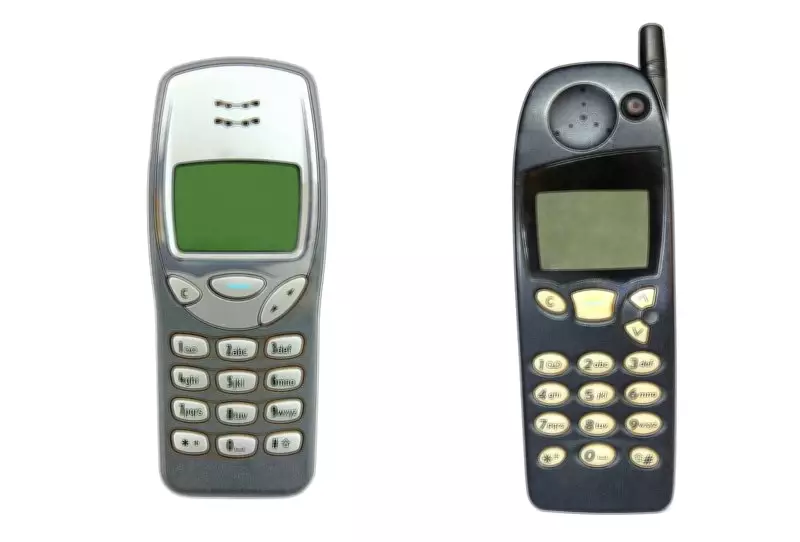
First Glimpse of a Mobile Phone: A Nostalgic Journey into Early Technology
The first glimpse of a mobile phone marked a revolutionary moment in the history of communication, transforming how people connect and interact across distances. This early device, often bulky and limited in features, laid the foundation for the sophisticated smartphones we rely on today. In this article, we delve into the origins, impact, and evolution of the mobile phone, offering a nostalgic look at a technology that reshaped society.
The Dawn of Mobile Communication
The concept of a mobile phone emerged in the mid-20th century, with early prototypes developed by companies like Motorola and Bell Labs. The first commercially available mobile phone, the Motorola DynaTAC 8000X, was introduced in 1983. This device weighed approximately 2.2 pounds and offered only basic voice calling capabilities, with a battery life of just 30 minutes of talk time. Despite its limitations, it represented a significant leap forward from landline telephones, enabling users to make calls on the go.
At the time, mobile phones were primarily used by business professionals and affluent individuals due to their high cost, which could exceed $3,000. The technology relied on analog networks, which were prone to interference and had limited coverage areas. However, the convenience of wireless communication quickly captured public imagination, setting the stage for widespread adoption in the decades to follow.

Impact on Society and Daily Life
The introduction of the mobile phone had a profound impact on society, altering daily routines and business practices. For the first time, people could stay connected while traveling, leading to increased productivity and flexibility in both personal and professional spheres. Emergency services benefited greatly, as mobile phones allowed for quicker response times in critical situations.
Socially, mobile phones began to change how people interacted, making communication more immediate and accessible. They reduced the reliance on fixed locations for calls, fostering a culture of constant connectivity that would later evolve with digital advancements. Early adopters often shared stories of the awe and curiosity sparked by seeing someone use a mobile phone in public, highlighting its novelty and status as a symbol of technological progress.
Evolution from Basic Devices to Smartphones
From the first mobile phone, technology rapidly advanced through several key phases. The 1990s saw the transition from analog to digital networks, improving call quality and enabling features like text messaging. Devices became smaller, more affordable, and widely available, leading to a surge in global adoption. By the early 2000s, mobile phones had integrated cameras, internet access, and basic apps, paving the way for the smartphone era.
The launch of the iPhone in 2007 revolutionized the industry, combining communication with computing power, touchscreens, and a vast ecosystem of applications. Today, smartphones are essential tools for work, entertainment, and social interaction, offering capabilities far beyond the original mobile phone's simple voice calls. This evolution reflects continuous innovation in areas such as battery life, processing speed, and connectivity, driven by consumer demand and technological breakthroughs.
Nostalgia and Cultural Significance
Looking back at the first mobile phone evokes a sense of nostalgia for a simpler time in technology. Early devices, with their large antennas and monochrome displays, remind us of the rapid pace of change in the digital age. They symbolize the beginning of a journey that has led to an interconnected world, where mobile technology is integral to modern life.
Cultural references in media and popular culture often highlight the mobile phone's transformative role, from movies depicting its early use to documentaries exploring its societal impact. Collectors and enthusiasts preserve vintage models as artifacts of technological history, celebrating the ingenuity that made wireless communication possible. This nostalgia underscores how far we have come while appreciating the humble origins of a device that now fits in our pockets.

In conclusion, the first glimpse of a mobile phone was more than just a technological milestone; it was a catalyst for global change. From its bulky beginnings to today's sleek smartphones, this journey highlights the power of innovation to reshape communication and society. As we continue to advance, remembering these early days offers valuable insights into the relentless pursuit of progress in the tech world.