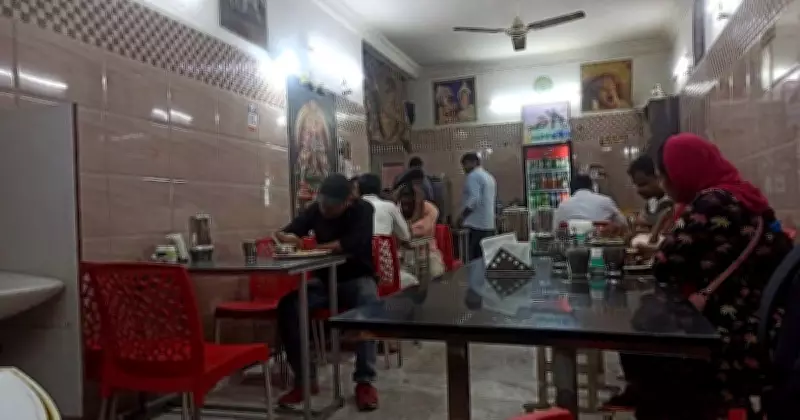
Bengaluru's bustling food scene is marred by a growing concern: cramped eateries that operate in narrow, poorly ventilated spaces, creating a recipe for health and safety hazards. These establishments, often squeezed into tight corners of the city's busy streets, lack basic amenities such as adequate fire exits, proper ventilation, and sufficient space for safe movement. The consequences are dire, with risks ranging from fire accidents to the spread of diseases due to unsanitary conditions.
Health Risks in Crowded Spaces
The lack of space in these eateries leads to poor hygiene practices. Kitchens are often cramped, with limited room for proper food storage and preparation. This increases the likelihood of cross-contamination and foodborne illnesses. Moreover, the close proximity of diners facilitates the transmission of airborne diseases, a concern heightened in the post-pandemic era.
Fire Safety Concerns
Fire hazards are a major threat in these cramped eateries. Many lack proper fire extinguishers, emergency exits, or even basic electrical safety measures. The use of LPG cylinders in confined spaces without adequate ventilation can lead to gas leaks and explosions. In the event of a fire, the narrow aisles and blocked exits could result in a stampede, endangering lives.

According to the Bruhat Bengaluru Mahanagara Palike (BBMP), many of these eateries operate without proper licenses, bypassing safety regulations. The civic body has conducted inspections but faces challenges due to the sheer number of such establishments. Violations are often met with fines, but the problem persists.
Impact on Workers
Employees in these eateries work in hazardous conditions, often without breaks or proper protective gear. The lack of space leads to ergonomic issues, and poor ventilation exposes them to fumes and excessive heat. Workers' rights are frequently ignored, with many employed informally, lacking access to healthcare or insurance.
Customers, too, are at risk. A recent incident in a popular eatery in the city's central business district saw a minor fire that caused panic, though no casualties were reported. However, such events underscore the urgent need for regulatory enforcement.
Regulatory Gaps
While the Karnataka Food Safety and Standards Authority has guidelines for eateries, enforcement remains weak. The BBMP's building by-laws require minimum space per customer, but these are often flouted. Experts call for stricter inspections and a grading system that would publicly rate eateries on safety and hygiene.
Health activists argue that the city's love for street food and cheap eats should not come at the cost of safety. They advocate for a collaborative approach involving the government, eatery owners, and the public to ensure compliance.
The Way Forward
To address these issues, the BBMP has announced a special drive to inspect eateries in high-risk areas. The plan includes issuing notices to violators and sealing premises that pose immediate danger. However, long-term solutions require updating building codes and providing incentives for eateries to expand or relocate to safer spaces.
As Bengaluru grows, its food culture must evolve with safety in mind. The cramped eateries, while charming to some, are a hazard that cannot be ignored. The city must balance its vibrant culinary scene with the well-being of its citizens.