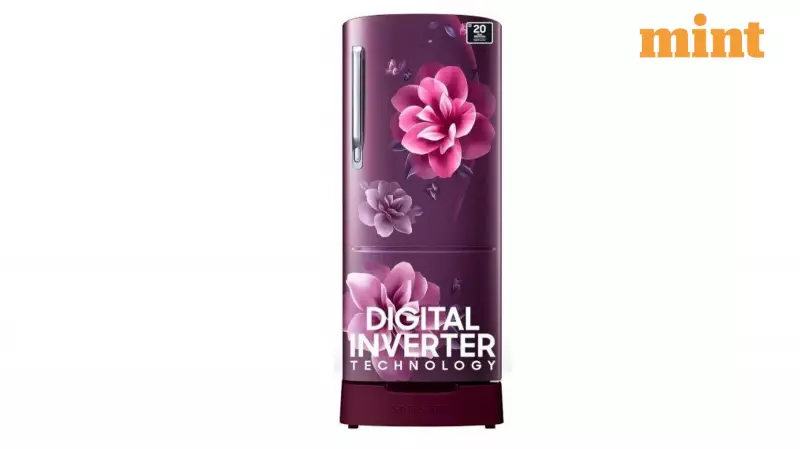
When shopping for a new refrigerator in India, many buyers focus on brand, capacity, and star rating. However, the internal cooling technology—specifically whether you choose a direct-cool or frost-free system—fundamentally shapes your appliance's performance, energy use, and daily convenience.
Core Cooling Technologies Explained
At first glance, refrigerators may look alike, but their internal mechanics tell a different story. A direct-cool refrigerator operates on a simple, natural convection principle. It cools the air inside without using fans, allowing the cold air to settle in different sections. This traditional design is known for its energy efficiency and lower electricity consumption, making it a budget-friendly choice.
In contrast, a frost-free refrigerator employs a more advanced, fan-based system. It actively circulates air evenly across all shelves, maintaining a uniform temperature throughout the compartment. Its standout feature is an automatic defrost cycle that uses heating elements to periodically melt frost in the freezer, eliminating the need for manual defrosting.

Performance, Comfort, and Daily Use
The choice between these two systems directly impacts your food's freshness and your kitchen routine. Direct-cool models offer fast initial cooling but can develop temperature variations, creating warmer and cooler pockets. This requires strategic placement of items—delicate foods like dairy and leafy greens need careful positioning to avoid spoilage.
Frost-free refrigerators excel in temperature consistency. The forced air circulation ensures every shelf receives the same cooling, which is ideal for preserving a wide variety of perishables. For families that rely heavily on frozen foods or batch cooking, the frost-free freezer's ice-free operation is a significant advantage.
Noise levels and energy consumption are other practical considerations. Direct-cool units typically run quieter due to the absence of circulation fans. They also tend to be more energy-efficient as they don't power fans or defrost heaters. Frost-free models consume more electricity but offer unparalleled convenience, a trade-off many modern Indian households are willing to make.
Maintenance and Long-Term Value
Maintenance is where the two technologies diverge most sharply. The primary upkeep task for a direct-cool refrigerator is manual defrosting. As frost builds up in the freezer over time, you must periodically switch off the appliance to let the ice melt—a process that can be messy and disrupt your kitchen schedule.
Frost-free models completely eliminate this chore. The automatic defrost system handles frost build-up internally, ensuring the freezer remains clean and accessible at all times. This makes general cleaning and organization significantly easier.
When evaluating long-term value, direct-cool refrigerators often have a lower initial cost and running cost, appealing to budget-conscious buyers. Frost-free refrigerators command a higher price but deliver greater convenience, consistent food preservation, and hassle-free freezer management. Your final decision should hinge on your storage needs, cooking habits, and how much you value automated features versus simpler, more economical operation.