As 2025 draws to a close, a unique perspective emerges from the avalanche of gadgets that defined the year. Anuj Bhatia, a seasoned personal technology journalist, has sifted through hundreds of products he reviewed to curate a highly personal list of his absolute favourites. This list, distinct from commercial success metrics, highlights the devices that left a lasting impression through innovation, design, or sheer usability.
Smartphones That Redefined Expectations
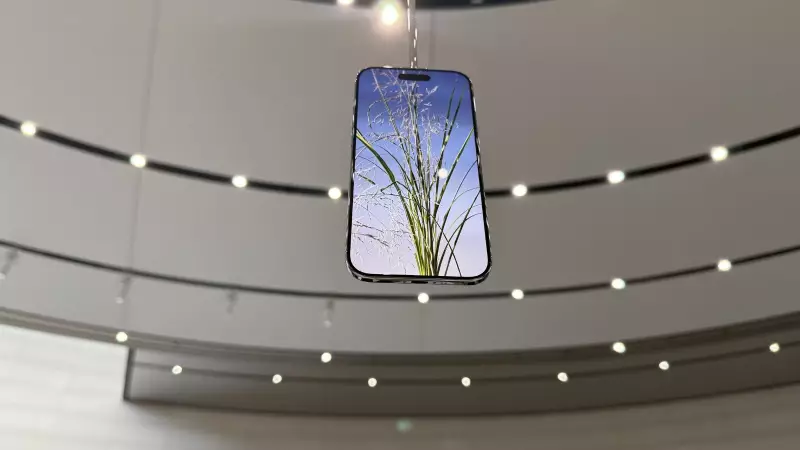
The smartphone category saw some of the most intriguing releases. Apple's iPhone Air emerged as a surprising favourite for Bhatia. Initially critical, he found its poetic design and fresh conceptual approach grew on him over months of use. He praises it for focusing on elegance and personality while remaining functional, calling it a product only a master craftsman could pull off.
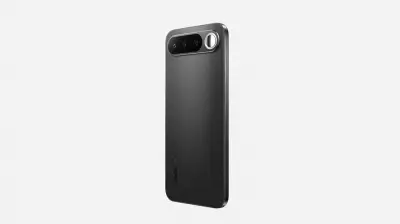
In the Android camp, the Google Pixel 10 Pro XL earned the title of the most impressive smartphone of the year for him. Its large 6.8-inch display, substantial 5,200mAh battery, and unbeatable camera system were highlights. However, Bhatia emphasises that the software and clearly defined AI features, like the genuinely useful Magic Cue, are what set it apart, filling a gap he feels current iPhones have.

Foldables finally won a convert with the Samsung Galaxy Z Fold 7. Bhatia, previously sceptical of the category, found this model to be the first that felt like a normal phone in hand, thanks to its refined dimensions. Its ability to double as a tablet without carrying an extra device was a key advantage, though he notes a desire for longer battery life and a better camera system.
The Nothing Phone (3), with its designer aesthetic and quirky new Glyph Matrix display, also captured his fancy. He describes it as a slightly weird smartphone with a subtle nostalgic charm, acknowledging it may not be the most powerful but is thoroughly enjoyable to use for a certain audience.
Beyond Phones: AI, Audio, and Wearables Shine
The tech landscape extended far beyond smartphones. In wearable tech, Meta's Ray-Ban Gen 2 AI smart glasses became Bhatia's most discreet and surprisingly used gadget. He highlights their utility for taking pictures, recording videos, and handling calls, appreciating the concept of having AI on his face. While Meta AI itself was noted as a weak point needing more personality, the glasses replaced his Bluetooth earbuds for calls and became his everyday camera.
For audio, the Nothing Headphone (1) stood out with its boutique appeal and signature transparent design. Bhatia found them comfortable, good-sounding, and fashionably reminiscent of the Sony Walkman era, even if they aren't the absolute best in the market.
AI tools were also rigorously tested. Bhatia noted significant improvements in Google Gemini, particularly in AI image generation with Nano Banana Pro, where realism reached new heights. Perplexity became a personal favourite as an AI search engine for its ability to source information from trusted sources efficiently, offering a slick interface and useful voice chat.
Honourable Mentions: The Unexpected Delights
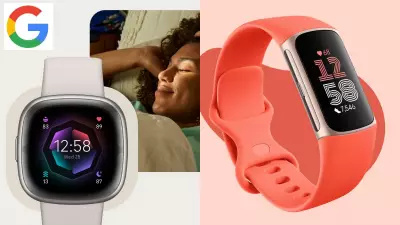
Several other devices earned special mention for exceeding expectations. The Google Pixel Watch 4 surprised Bhatia with its beautiful design, impressive display, integration of Google Gemini, and good battery life, making it a favourite smartwatch.
For travellers, the Asus ZenBook A14 laptop, weighing under a kilogram (980g) and delivering over 20 hours of battery life on a single charge thanks to a Snapdragon X processor, was a standout for its portability and endurance.
Finally, the Motorola Edge 60 Stylus impressed as a well-designed Android smartphone that brought a seamless stylus experience to a budget-friendly price point, offering a smooth experience and long battery life.
Bhatia's list, compiled on December 27, 2025, in New Delhi, reflects a year where refinement, bold design choices, and practical AI integration defined the best of personal technology. It underscores that a product's true worth often lies not just in specs, but in the unique experience and connection it fosters with the user.