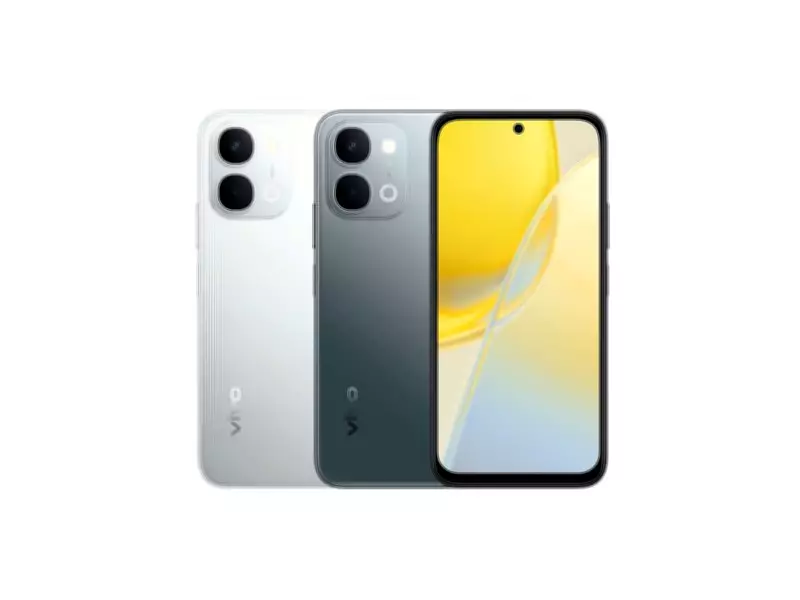
Vivo Y51 Smartphone: A Comprehensive 2026 Assessment
The Vivo Y51, initially launched as a budget-friendly smartphone, continues to spark discussions among tech enthusiasts and everyday users alike. As we navigate the rapidly evolving mobile landscape of 2026, evaluating whether this device still holds relevance requires a deep dive into its specifications, user experience, and competitive positioning.
Key Specifications and Hardware Overview
At its core, the Vivo Y51 features a Qualcomm Snapdragon 665 processor, which was considered mid-range at its release. Paired with 8GB of RAM and 128GB of internal storage, expandable via microSD card, the device offers decent multitasking capabilities for basic applications. The 6.38-inch Super AMOLED display with a resolution of 1080 x 2340 pixels provides vibrant colors and sharp visuals, making it suitable for media consumption and casual gaming.
Camera Performance: The triple-camera setup on the rear includes a 48MP primary sensor, an 8MP ultra-wide lens, and a 2MP depth sensor. While it captures satisfactory photos in well-lit conditions, low-light performance may lag behind newer models. The 16MP front-facing camera supports selfies and video calls, though advanced features like AI enhancements are limited compared to contemporary devices.

Software and User Experience
Running on Funtouch OS based on Android 11, the Vivo Y51's software experience is functional but may feel outdated in 2026. Users should note that official software updates have likely ceased, potentially exposing the device to security vulnerabilities. However, for those who prioritize stability over cutting-edge features, the interface remains smooth for everyday tasks such as browsing, social media, and streaming.
Battery life is a standout feature, with a 4500mAh battery supporting up to a full day of moderate usage. The 18W fast charging capability allows for quick top-ups, though it falls short of the ultra-fast charging standards seen in newer smartphones.
Market Context and Value Proposition
In 2026, the smartphone market is saturated with advanced options featuring 5G connectivity, AI-driven cameras, and foldable designs. The Vivo Y51, lacking 5G support and newer hardware innovations, faces stiff competition from budget segments offering more modern specifications at similar price points.
- Pros: Reliable battery life, vibrant display, adequate storage, and a durable build quality.
- Cons: Outdated software, no 5G capability, limited camera performance in low light, and potential security concerns due to lack of updates.
Who Should Consider the Vivo Y51 in 2026?
This device may appeal to specific user groups:
- Budget-Conscious Consumers: If available at a significantly discounted price, it offers basic functionality without breaking the bank.
- Secondary Device Users: Ideal as a backup phone or for light tasks where advanced features are unnecessary.
- Tech Minimalists: Those who prefer simplicity and are not concerned with having the latest technology.
However, for users seeking future-proofing, enhanced security, or cutting-edge performance, investing in a newer model from Vivo or competitors like Samsung, Xiaomi, or Realme is advisable. These brands offer updated devices with better processors, improved cameras, and longer software support cycles.
Final Verdict
While the Vivo Y51 was a commendable option upon its release, its relevance in 2026 is limited. It can serve as a cost-effective solution for basic needs, but given the rapid advancements in mobile technology, consumers are better off exploring contemporary alternatives that provide better value, security, and features. Ultimately, the decision hinges on individual priorities, budget constraints, and usage patterns.