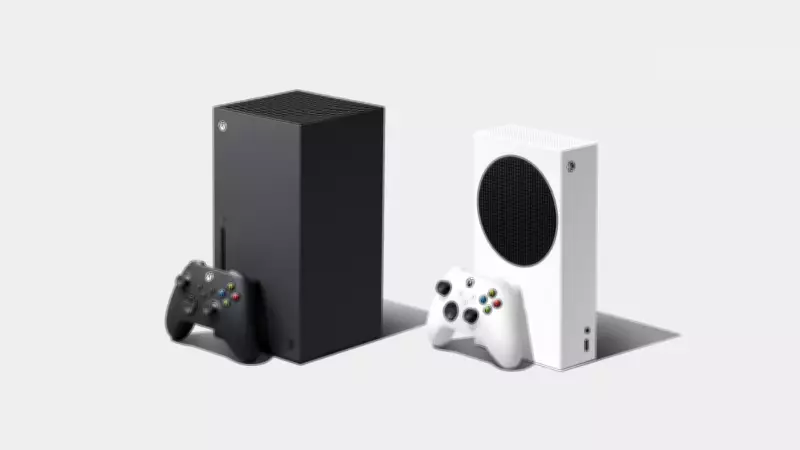
In a significant revelation during AMD's latest earnings call, CEO Lisa Su has provided the first concrete timeline for Microsoft's next-generation Xbox console, confirming a 2027 launch. The announcement marks a crucial milestone in the gaming hardware landscape and solidifies the ongoing partnership between the two technology giants.
Official Confirmation from AMD Leadership
During the chipmaker's financial briefing with analysts and investors, Su explicitly stated, "Microsoft's next-gen Xbox featuring an AMD semi-custom SoC is progressing well to support a launch in 2027." This direct confirmation from AMD's chief executive represents the most authoritative timeline yet for Microsoft's upcoming gaming platform, ending months of speculation within the gaming community.
Strategic Timing and Market Context
The 2027 launch window aligns perfectly with the natural console lifecycle. Both the Xbox Series X and Series S debuted in November 2020, making them over five years old as of 2025. This timing corresponds with AMD's own financial projections, where the company anticipates its semi-custom chip revenue will experience a "significant double digit percentage" decline in 2026 as the current console generation approaches its conclusion.

AMD's position as the silicon provider for both major console manufacturers adds weight to this timeline. The company currently powers Sony's PlayStation 5 alongside Microsoft's Xbox Series consoles, giving it unique insight into the gaming hardware development cycle across the industry.
Microsoft's Premium Hardware Strategy
Xbox president Sarah Bond has already outlined the strategic direction for Microsoft's next console generation. In an October interview, she described the upcoming hardware as a "very premium, very high-end, curated experience." This represents a notable departure from Microsoft's current approach of offering both budget-friendly and premium options through the Series S and Series X models.
Expanding Partnership and Device Portfolio
The companies formalized their extended collaboration last June through a multi-year partnership announcement that included plans to "co-engineer silicon across a portfolio of devices." This language strongly suggests Microsoft isn't developing a single console box but rather a family of gaming devices. Industry observers speculate this could include a handheld gaming device similar to the Asus ROG Ally X, which already supports Xbox games through Windows compatibility.
Technical Specifications and Architecture
AMD's technology roadmap offers compelling clues about what might power Microsoft's next-generation console. The chipmaker has confirmed its Zen 6 CPU architecture will arrive in 2026, with Zen 7 likely following in time for the 2027 console launch. On the graphics front, the RDNA 5 architecture could debut around the same period, potentially providing both Xbox and PlayStation platforms with their next major visual upgrade.
Official Status and Industry Implications
While Microsoft hasn't officially confirmed any launch details, when a primary chip supplier begins mentioning specific years during earnings calls, it typically indicates advanced development stages and firm planning. The 2027 timeline gives developers approximately two years to prepare next-generation titles and allows Microsoft to refine its hardware strategy.
This announcement comes at a pivotal moment for the gaming industry, as companies balance technological advancement with market expectations. The confirmation of a 2027 launch provides clarity for consumers, developers, and investors alike, setting the stage for the next chapter in console gaming evolution.