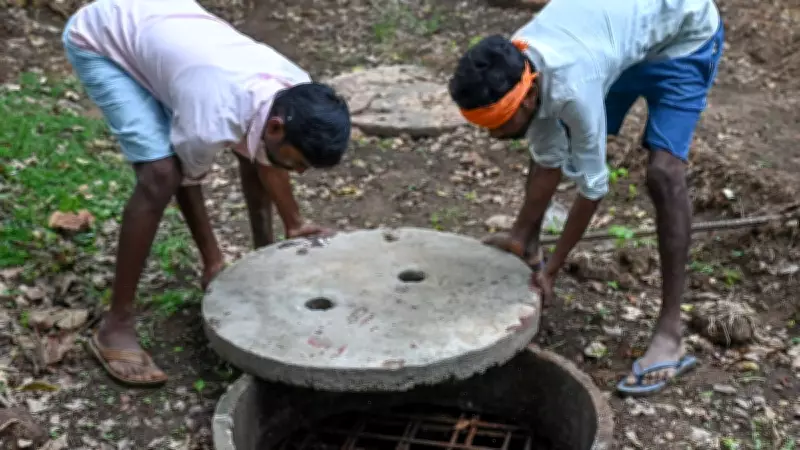
As the monsoon season approaches, the demand for rainwater harvesting (RWH) systems in Bengaluru has seen a significant surge. Well diggers and RWH installers, who previously went months without receiving any inquiries, are now receiving at least two to three orders per month. This shift marks a growing awareness among residents about the importance of water conservation and sustainable practices.
Changing Trends in Water Management
Bengaluru, a city that has faced severe water shortages in the past, is now witnessing a proactive approach to water management. The increasing frequency of droughts and depleting groundwater levels have prompted homeowners and businesses to invest in RWH systems. Installers report that the recent rains have acted as a catalyst, encouraging more people to prepare for the monsoon by setting up harvesting structures.
Benefits of Rainwater Harvesting
Rainwater harvesting offers multiple benefits, including reducing dependency on municipal water supply, recharging groundwater, and lowering water bills. It is an eco-friendly solution that helps in mitigating urban flooding by capturing runoff. The harvested water can be used for gardening, washing, and even for drinking after proper treatment.

Key advantages include:
- Conservation of water resources
- Reduction in soil erosion
- Improved groundwater quality
- Cost savings on water bills
Installation Process and Costs
The installation of a rainwater harvesting system involves assessing the roof area, gutters, downpipes, and storage tanks. The cost varies depending on the size and complexity of the system, ranging from Rs 10,000 to Rs 50,000 for residential properties. Well diggers, who specialize in creating recharge wells, are also in high demand as they help in percolating water into the ground.
Government Initiatives and Incentives
The Karnataka government has been promoting rainwater harvesting through subsidies and awareness campaigns. The Bangalore Water Supply and Sewerage Board (BWSSB) offers incentives for installing RWH systems, including a rebate on water bills. Additionally, new buildings are required to have RWH structures as per the city's bylaws.
Despite these efforts, challenges remain, such as lack of space in dense urban areas and maintenance issues. However, the current surge in demand indicates a positive shift in public attitude towards sustainable water management.
Expert Opinions
Environmentalists and water experts emphasize the need for widespread adoption of rainwater harvesting. Dr. R. Ramesh, a hydrologist, states, "Rainwater harvesting is not just an option but a necessity for Bengaluru. With climate change leading to erratic rainfall, capturing every drop is crucial for water security." He also suggests that community-level projects could be more effective in apartment complexes and residential layouts.
As the monsoon sets in, the increased interest in rainwater harvesting is a promising sign. It reflects a collective effort to build a water-resilient city. With continued awareness and support, Bengaluru can turn its water challenges into opportunities for sustainable living.