Chennai Metro Unveils Ambitious Plan for Multimodal Hubs
In a significant move to revolutionize urban mobility, Chennai Metro Rail Limited (CMRL) has announced plans to redesign the areas surrounding 41 metro stations, transforming them into integrated multimodal hubs. This initiative aims to address long-standing last-mile connectivity challenges by creating seamless transport networks within a 500-meter radius of each station. A tender has been floated to prepare a detailed project report (DPR), marking the official commencement of this groundbreaking project.
Focus on Seamless Travel and Commuter Experience
The core objective of the redesign is to facilitate smoother transitions between various modes of transport. By integrating the metro with buses, autos, taxis, and suburban rail services, CMRL seeks to eliminate the inconveniences currently faced by daily commuters. This strategic shift is expected to enhance the overall commuter experience, making public transportation more efficient and user-friendly.
Addressing Critical Commuter Concerns
The decision to overhaul these stations comes in response to widespread complaints about poor pedestrian access, unsafe crossings, and a lack of coordination between different transport systems. Currently, issues with metro, MTC buses, MRTS, and suburban rail integration often lead to fragmented and inconvenient travel. The new plan aims to rectify these problems by fostering better synergy among all transport modes.

Detailed Project Report to Guide Implementation
The tender for the DPR signifies the initial phase of groundwork for the redesign. This comprehensive report will outline the planning, execution, and infrastructure upgrades required across the identified station zones. It will serve as a blueprint for transforming these areas into cohesive transport hubs, ensuring that all aspects of the project are meticulously planned and executed.
Pedestrian-Friendly Infrastructure Upgrades
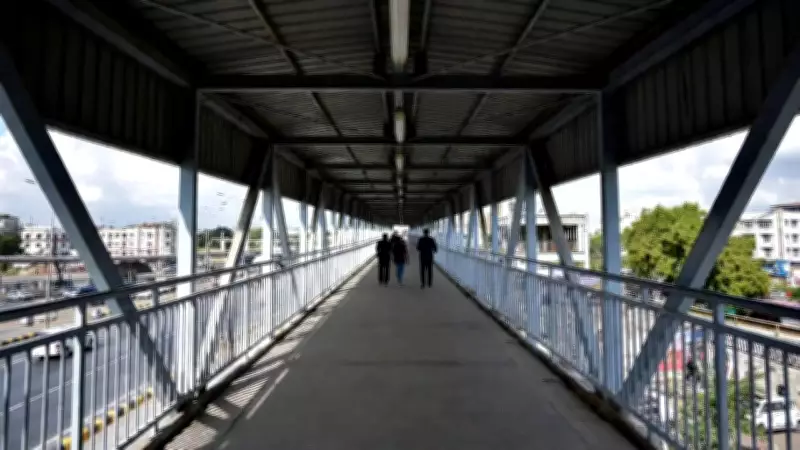
Key components of the redesign include the development of continuous footpaths, shaded walkways, skywalk extensions, and barrier-free access. These infrastructure enhancements are designed to improve safety and accessibility for pedestrians, requiring on-ground construction to create a more walkable and inclusive environment around metro stations.
Targeting Last-Mile Connectivity Gaps
To bridge the last-mile connectivity gap, the plan proposes designated pick-up and drop-off zones, feeder services, and improved access for autos and taxis. Additionally, bus stops may be relocated closer to station entrances to reduce walking distances and facilitate easier transfers between transport modes. These measures are aimed at making the entire journey from origin to destination more convenient and efficient.
Long-Overdue Integration Plan
Experts have hailed this redesign as a long-overdue shift towards treating metro stations as integral parts of a larger mobility network. While integration was part of the original vision for Phase 1 of the Chennai Metro, it remained unimplemented due to coordination challenges among various agencies. This new initiative represents a renewed commitment to achieving that vision.
Major Stations in Focus for Redesign
All 41 stations identified for redesign include key nodes such as Central, Egmore, Guindy, Saidapet, and Alandur. High footfall areas like Guindy are expected to undergo extensive upgrade works to alleviate congestion and improve flow. This targeted approach ensures that the busiest stations receive the necessary attention to maximize the impact of the redesign.
In summary, Chennai Metro's plan to create multimodal hubs is a forward-thinking step towards enhancing urban transport. By focusing on integration, pedestrian safety, and last-mile connectivity, this project promises to transform the commuting experience for millions of residents, setting a new standard for public transportation in the city.