Alert Teenager Thwarts Digital Arrest Scam in Bareilly
In a remarkable display of awareness and courage, a 13-year-old boy from Bareilly successfully prevented a sophisticated cyber fraud attempt targeting his parents. The incident involved criminals posing as National Investigation Agency (NIA) officers who attempted to execute what is known as a "digital arrest" scam.
The Terrifying Encounter
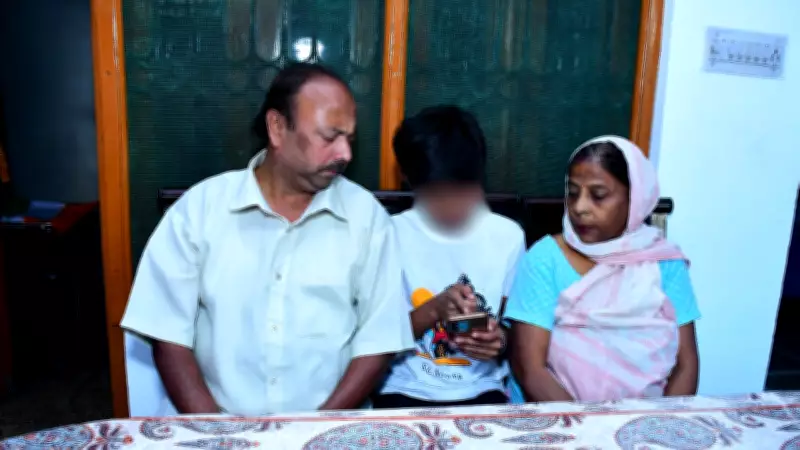
Sanjay Saxena, a 55-year-old bakery owner, and his wife received a video call from individuals claiming to be NIA officers. The fraudsters alleged that Saxena's phone number was linked to terrorist activities and a massive financial fraud amounting to Rs 300 crore. They presented what appeared to be an official arrest warrant on the phone screen, creating an atmosphere of immediate threat and legal authority.
"My wife and I were so frightened that we had given all our bank details and talked about our valuables and properties," Saxena recounted. "We were frozen with fear. The criminals kept us on the video call, demanding continuous compliance and information about our assets."

The Teenage Hero's Intervention
Tanmay, the couple's 13-year-old son and a Class 8 student, recognized the situation as a potential scam. "I was sure this was a case of digital arrest, as I had read about digital arrests in The Times of India some days ago," Tanmay explained. "My suspicion grew when the accused wanted information about our properties, jewellery and ownership of our house."
Despite his parents' initial hesitation, Tanmay persistently urged his father to disconnect the call. When they seemed reluctant to break contact with the supposed authorities, the resourceful teenager suggested a clever alternative. "I told my father to at least put the phone on flight mode for a while so that he could get some sleep," Tanmay said. "I told them that flight mode doesn't disconnect a call. He agreed. And as soon as the call got cut, we informed the cops."
Police Response and Investigation
Bareilly SSP Anurag Arya confirmed that authorities have taken swift action following the incident. "An FIR in the matter has been registered and all the accounts of the bakery owner have been frozen so that the money stays safe," Arya stated. "We will arrest the accused soon."
Additional Director General (Bareilly zone) Ramit Shamra praised the teenager's awareness, noting that "the boy told us that he also keenly follows police campaigns against cyberfraud in newspapers." This highlights the importance of public awareness campaigns in combating such crimes.
The Growing Menace of Digital Arrest Scams
Digital arrest scams represent a sophisticated form of cyber fraud where criminals impersonate law enforcement officials to intimidate victims into compliance. These scams typically involve:
- False claims of legal violations or criminal associations
- Presentation of fabricated arrest warrants or official documents
- Demands for personal information, financial details, and asset disclosures
- Psychological pressure through continuous video calls and threats
Law enforcement agencies emphasize that legitimate authorities never conduct arrests or investigations through unsolicited video calls demanding immediate financial information or personal asset details.
Protective Measures and Reporting Channels
Authorities recommend several precautions against such scams:
- Verify the identity of anyone claiming to be from law enforcement through official channels
- Never share personal or financial information during unsolicited calls
- Educate family members, especially children and elderly relatives, about common scam tactics
- Stay informed about emerging cyber fraud techniques through reliable news sources
Victims of similar scams are urged to report incidents immediately to local police, the national cyber helpline at 1930, or through the official cybercrime.gov.in portal. Quick reporting can prevent financial losses and help authorities track down perpetrators.
This incident serves as both a cautionary tale about the evolving nature of cybercrime and an inspiring example of how awareness and education can empower even young citizens to protect themselves and their families from sophisticated fraud attempts.