

Viral Video Exposes QR Code Payment Concerns in Parking Areas
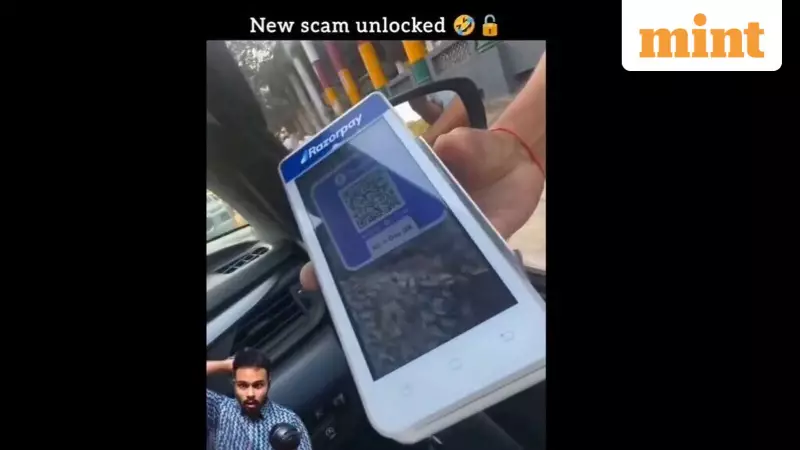
A concerning video has taken social media by storm, accumulating over 18 lakh views and sparking nationwide discussions about digital payment security. The footage allegedly shows a QR code parking scam where customers are directed to make payments to an individual's UPI account rather than an official government authority.
What the Viral Video Reveals
The controversial video, shared by popular meme account Prof Cheems with the caption "New Scam Unlocked," shows a vigilant customer questioning a parking attendant about payment discrepancies. The customer noticed that the QR code displayed for parking payments showed the name "Vinod Kumar" instead of the expected municipal corporation or parking authority name.
During the confrontation captured on camera, the customer directly challenges the attendant about why the payment recipient doesn't match the official parking authority. The video quickly gained traction, drawing attention from top digital payment executives and concerned citizens across India.

Payment Industry Leaders Respond with Solutions
Paytm founder and CEO Vijay Shekhar Sharma, known for his active social media presence, immediately highlighted how this incident demonstrates the value of Paytm's security features. "Only Paytm Soundbox solves problem for many offline scams!" he declared on X, emphasizing how their transaction announcement system provides immediate payment confirmation.
Razorpay founder Shashank Kumar also addressed the issue, since the payment device in the video carried Razorpay branding. He announced planned security enhancements, stating: "In the next software upgrade we will disable gallery access unless really needed for the seller." This measure aims to prevent potential misuse of payment systems.
Public Reaction and Contractor Payment Clarifications
Social media responses ranged from humorous memes to serious security concerns. While many praised Shashank Kumar for taking user feedback seriously, others commended Vijay Shekhar Sharma for effectively leveraging the situation for marketing purposes.
However, several informed commenters provided crucial context about parking management systems in major Indian cities. Multiple users explained that parking authorities in Delhi and Mumbai typically hire contractors to collect parking charges, and these contractors often use personal QR codes for payment collection.
One commenter clarified: "MCD gives contract a year or max 5 years to an individual or organisation on some annual charges! After that contractor collect money and organise parking and hire staff." Another Mumbai resident added: "In Mumbai its the contractor who collects the funds and pays the BMC. So obviously this driver doesn't realise that payments don't go directly into the MCD/BMC accounts."
Experts emphasized that such payments only constitute a scam if the attendant refuses to provide official receipts or parking tickets. As one netizen pointed out: "How is it a scam if the attendant gives a receipt? Just another car driver finding ways to not pay even the highly subsidised car parking charges."
The incident has highlighted the importance of payment verification and receipt collection in digital transactions, sparking crucial conversations about balancing convenience with security in India's rapidly growing digital payment ecosystem.






