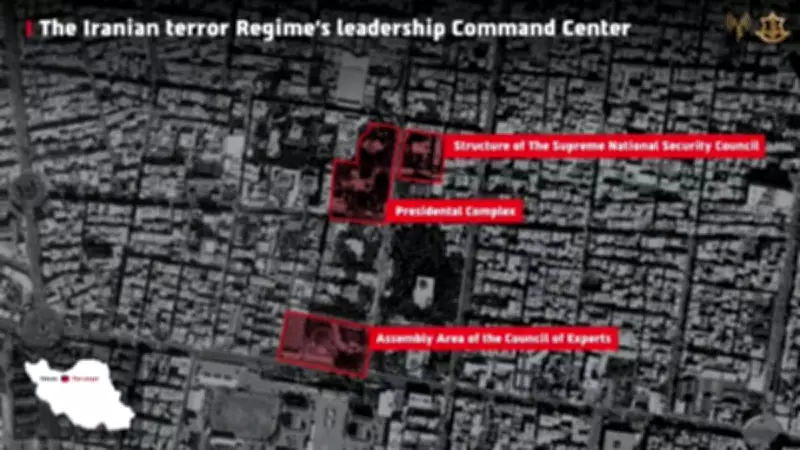
Israel Launches Coordinated Strikes on Iran's Presidential House and Leadership Compound in Tehran
In a significant escalation of regional hostilities, Israel has conducted simultaneous military strikes targeting key regime leadership sites in Tehran, Iran. The attacks, which occurred on March 3, 2026, focused on the Iranian presidential house and office, as well as a broader leadership compound associated with the country's ruling establishment.
Details of the Coordinated Assault
The strikes were reportedly well-coordinated and executed with precision, hitting multiple locations within Tehran simultaneously. The primary target was the presidential house, which serves as both the official residence and administrative office for Iran's head of state. Additionally, the attacks extended to a larger compound housing various regime leadership facilities, indicating a strategic effort to disrupt Iran's political and military command structures.
This operation marks one of the most direct confrontations between Israel and Iran on Iranian soil in recent years. While Israel has previously conducted covert operations and airstrikes against Iranian proxies and assets in neighboring countries, such as Syria and Iraq, this incident represents a bold and overt military action within Iran's capital city.

Context and Regional Implications
The attacks come amid ongoing tensions between Israel and Iran, which have been exacerbated by Iran's nuclear program, support for militant groups like Hezbollah and Hamas, and regional proxy conflicts. Israel has repeatedly expressed concerns about Iran's military capabilities and intentions, viewing the Islamic Republic as an existential threat.
Analysts suggest that this strike could signal a new phase in the Israel-Iran conflict, potentially leading to retaliatory measures and further destabilization in the Middle East. The targeting of the presidential house, a symbol of Iran's sovereignty, is particularly provocative and may compel a strong response from Tehran.
Potential Motives and Strategic Objectives
Israel's decision to strike such high-profile targets likely stems from several strategic considerations:
- Deterrence: To demonstrate Israel's willingness and ability to strike directly at Iran's leadership, thereby deterring future Iranian aggression.
- Disruption: To impair Iran's command and control capabilities, potentially delaying or complicating its military operations in the region.
- Signaling: To send a clear message to Iran and the international community about Israel's red lines and resolve in countering perceived threats.
The international community is closely monitoring the situation, with concerns about the potential for escalation into a broader regional conflict. Diplomatic efforts may be intensified to de-escalate tensions and prevent further military engagements.
Looking Ahead
As details continue to emerge, the focus will be on Iran's response and the broader impact on Middle Eastern stability. The strikes on Tehran's presidential house and leadership compound underscore the volatile nature of Israel-Iran relations and the high stakes involved in their ongoing rivalry. The incident is likely to influence regional alliances, security policies, and international diplomatic initiatives in the coming weeks and months.