LPG Crisis Exploited by Fraudsters in Mumbai, Police Report Rs 70 Lakh Scam
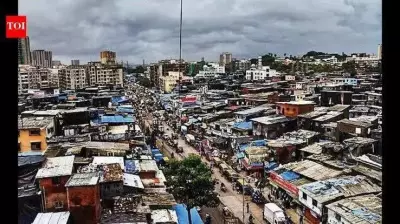
At a time when the ongoing conflict between the US, Israel, and Iran has disrupted global gas and fuel supplies, creating widespread anxiety, cybercriminals in Mumbai are capitalizing on this crisis to perpetrate sophisticated frauds. In a shocking revelation, police have reported that fraudsters are using the LPG shortage as a pretext to cheat unsuspecting citizens, with at least four complaints registered in one police station over the past month, resulting in collective losses of approximately Rs 70 lakh.
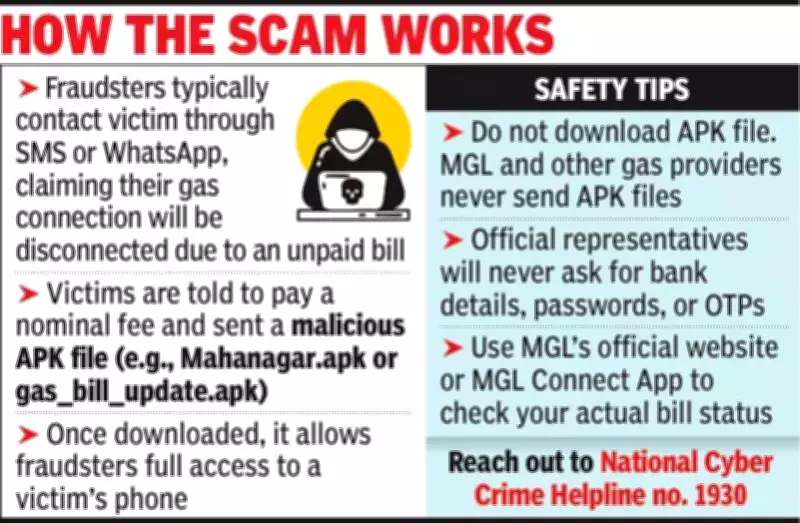
Modus Operandi: Fake Gas Agency Calls and Malicious APK Files
According to police sources, the scammers pose as official representatives of gas agencies, such as MGL, and contact victims via text messages or phone calls. They threaten that the gas connection will be disconnected unless immediate action is taken. "Official representatives of a gas agency never ask for details of your bank account, OTP, or debit card over the phone. The fraudsters are using all these methods to cheat people. One has to be alert," emphasized a police official.
The fraud typically involves sending a malicious APK file to the victim, disguised as a legitimate application for updating gas connection details. Once downloaded, this file compromises the victim's device, allowing scammers to siphon funds directly from bank accounts.

Case Studies: How Victims Were Targeted
In one distressing incident, a 64-year-old retired insurance company employee received a text message stating, "Your MGL gas connection will be disconnected tonight at 7.30pm. Please contact MGL officer Mr Manish Rathore." The message included a mobile number. When she called, she was informed that her gas connection's CA number was blocked and needed to be unblocked by downloading an APK file.
Unable to download it on her iPhone, the fraudster sent the file to her husband's Android phone. She was asked to pay a nominal fee of Rs 7 using her debit card. After entering her details, she was told there was an error and asked to use another card. Sensing something amiss, she halted the process. However, the next day, she discovered that Rs 26.53 lakh had been deducted from her account and Rs 45,000 from her husband's, totaling nearly Rs 27 lakh in losses.
In another case, a resident of a western suburb was contacted similarly, asked to update his gas connection, and sent a fraudulent APK file in the name of MGL. Upon downloading and submitting his information, Rs 20.27 lakh was debited from his account. A third victim lost over Rs 10 lakh after being told his gas bill was pending and his connection would be disconnected, with the scammer using the same APK file method.
Police Advisory and Public Awareness
The Mumbai Police have issued a stern warning to the public, urging vigilance against such scams. They highlight that legitimate gas agencies do not request sensitive financial information over the phone or via unsolicited messages. Citizens are advised to:
- Verify any communication directly with the gas agency through official channels.
- Avoid downloading unknown APK files or clicking on suspicious links.
- Never share bank details, OTPs, or debit card information with unverified callers.
- Report any suspicious activity to the police immediately.
This surge in cyber fraud comes against the backdrop of heightened tensions in the Middle East, where the US-Israel-Iran conflict has led to export duties on fuels like diesel and turbine oil in India, aiming to collect over Rs 1,500 crore in a fortnight. The global fuel supply chain disruptions have created a fertile ground for such exploitation, making public awareness crucial in combating these crimes.