Cybercrime Police Uncover Elaborate Lottery Fraud Network
In a significant crackdown on digital deception, the cybercrime police unit from Ludhiana has successfully dismantled a sophisticated fraudulent lottery racket that was operating extensively from the state of Bihar. This decisive action came after a series of formal complaints were lodged by residents of Ludhiana who had fallen victim to the elaborate scam.
Coordinated Raids Lead to Arrest in Purnia
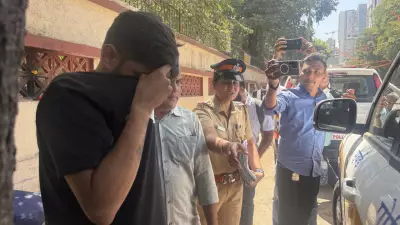
Following thorough investigation and intelligence gathering, officers executed coordinated raids across multiple locations in Bihar, including the districts of Nawada and Patna. These operations culminated in the arrest of Prabhat Kumar, a resident of Purnia, who is believed to be a key operative within the criminal syndicate. The police action was precise and targeted, based on digital evidence and victim statements.
Modus Operandi: Digital Lures and False Promises
The fraudulent scheme primarily targeted victims through WhatsApp messages and unsolicited phone calls. Scammers, posing as legitimate lottery officials, contacted individuals with fabricated claims of a substantial lottery win. They employed persuasive tactics to convince targets that they had indeed won significant cash prizes or valuable rewards.

Once initial trust was established, the perpetrators systematically demanded payments from their victims. These demands ranged from ₹5,000 to ₹10,000 per person, justified under various false pretenses including:
- Registration fees for prize collection
- Processing charges for fund transfer
- Administrative formalities and documentation costs
- Tax payments and clearance certificates
The Final Deception: Nonexistent Collection Counters
To complete the fraud and prevent immediate detection, victims were instructed to collect their supposed prizes from a designated "Gandhi Lottery" counter. Scammers provided specific addresses at prominent public landmarks and well-known locations to lend credibility to their story.
However, this represented the ultimate deception in their scheme. When victims traveled to these locations expecting to receive their prizes, they discovered no such counter existed. The addresses provided were either completely fabricated or referred to legitimate businesses that had no connection to any lottery operation. Only at this point did most victims realize they had been systematically defrauded.
Investigation Triggered by Multiple Complaints
Inspector Satbir Singh, the Station House Officer (SHO) of the cybercrime police station in Ludhiana, confirmed that the investigation was initiated based on five formal complaints received from local residents. All these complaints, despite coming from different victims, consistently pointed back to Prabhat Kumar and his network of associates.
"The digital trail and financial transactions clearly indicated an organized operation," stated Inspector Singh. "While we have made one arrest, we believe this network involves multiple individuals working in coordination across different locations."
Scope of Fraud Likely Much Larger
Authorities strongly suspect that the number of victims extends far beyond the initial complainants. The sophisticated nature of the operation, combined with the use of digital communication channels that allow for mass targeting, suggests many more individuals may have fallen prey to this scheme without yet coming forward.
Police expect additional complaints to surface as awareness of the bust spreads and more victims feel empowered to report their experiences. The investigation remains active, with officers examining digital devices, financial records, and communication logs to identify other potential suspects and uncover the full extent of the criminal network.
Broader Implications for Digital Safety
This case highlights the evolving nature of cybercrime in India, where criminals increasingly exploit digital platforms to execute traditional fraud schemes. The use of WhatsApp for such scams represents a particular concern, given the platform's widespread adoption and the relative ease with which scammers can create convincing fake identities.

Police have advised citizens to exercise extreme caution when receiving unsolicited communications about financial windfalls, especially those demanding upfront payments. "Legitimate lotteries and prize distributions never require winners to pay fees to collect their prizes," emphasized Inspector Singh. "Any request for payment should immediately raise red flags."
The successful bust serves as a warning to similar criminal operations while demonstrating the capability of cybercrime units to track and dismantle digital fraud networks that cross state boundaries. The investigation continues as authorities work to trace financial flows and identify all individuals involved in the elaborate lottery scam.