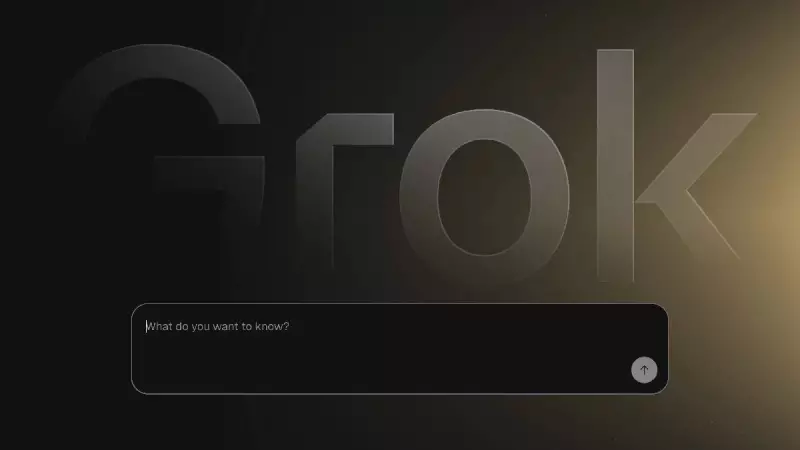
Social media platform X has taken swift action to restrict its artificial intelligence tool Grok. The company has limited the image generation capabilities of Grok after facing significant public backlash. This decision comes in response to concerns about the creation of obscene deepfake content using the AI feature.
Immediate Response to Public Outcry
X made this move following widespread criticism from users and observers. Many people expressed alarm about how easily the Grok tool could generate inappropriate images. The platform faced mounting pressure to address these concerns promptly.
What Prompted the Restriction?
The controversy erupted when users began sharing examples of problematic content created by Grok. These included AI-generated images that many considered obscene or harmful. Public reaction was swift and negative, forcing X to reconsider how the feature operated.

Company representatives acknowledged the issue publicly. They stated that user safety remains their top priority. The temporary restriction allows X to implement better safeguards against misuse.
How Grok's Capabilities Have Changed
Previously, Grok offered broad image generation functions to users. Now, these capabilities face significant limitations. The exact nature of these restrictions remains unclear, but X confirmed the changes are immediate and comprehensive.
This isn't the first time AI image tools have faced scrutiny. However, the speed of X's response marks a notable development in how platforms handle such controversies.
Broader Implications for AI Development
The incident highlights ongoing challenges in AI ethics and deployment. As artificial intelligence becomes more sophisticated, companies face difficult decisions about feature access. Balancing innovation with responsibility proves increasingly complex.
Industry experts note that similar issues have affected other AI platforms recently. The Grok situation demonstrates how quickly public opinion can influence corporate policy regarding emerging technologies.
What Happens Next?
X has not specified when or if full access to Grok's image generation will return. The company indicated they are working on improved content moderation systems. These enhancements aim to prevent similar problems in the future.
Users have expressed mixed reactions to the restriction. Some applaud the safety-focused approach, while others lament losing access to creative tools. The debate continues about where to draw the line with AI capabilities.
This development serves as a reminder that technological advancement often outpaces regulation. Companies like X must navigate uncharted territory as they deploy powerful AI features to the public.