The Case for Copyright Reform in the AI Era
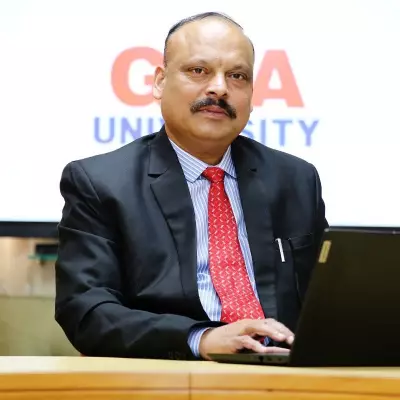
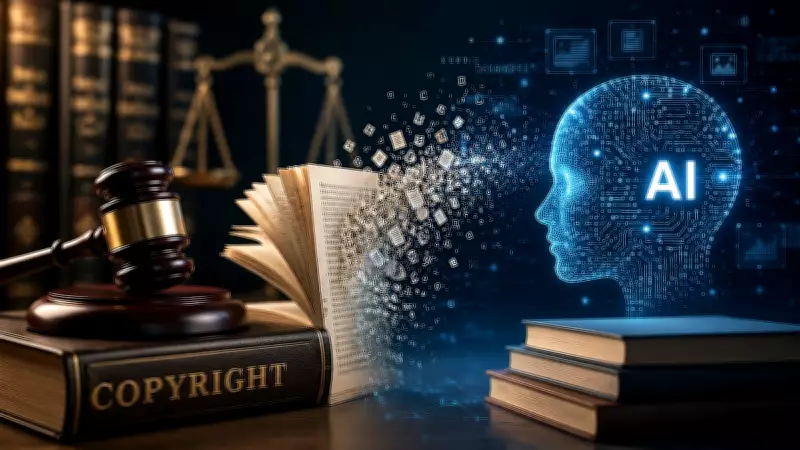
As artificial intelligence systems increasingly rely on vast datasets to learn and generate content, the tension between copyright protection and technological advancement has reached a critical juncture. Kashish Makkar argues that current copyright frameworks, designed for a pre-digital age, are ill-equipped to handle the nuances of AI training, which often involves the use of copyrighted materials. The key, according to this perspective, is to reframe copyright to permit the use of such works for transformative purposes—including criticism, study, teaching, or inspiration—while still safeguarding the economic interests of creators.
Transformative Use as a Legal Safe Harbor
The concept of transformative use is central to this proposed reform. Under existing copyright law, transformative use is a defense against infringement claims, allowing limited use of copyrighted material without permission if the new work adds significant new expression or meaning. Makkar suggests extending this principle explicitly to AI training, where models like OpenAI's GPT series learn from billions of texts. For instance, an AI that analyzes a novel to generate a summary or critique would be engaging in a transformative act, similar to a human reviewer. This approach would provide legal clarity for AI developers while ensuring that original creators retain control over non-transformative uses, such as direct reproduction or distribution.
Balancing Innovation and Creator Rights
A major concern is that loosening copyright restrictions could harm creators whose works are used without compensation. However, Makkar emphasizes that the proposal does not eliminate copyright but rather redefines its boundaries. For example, if an AI generates a story that closely mimics a copyrighted novel, that would still constitute infringement. The goal is to distinguish between uses that merely extract value and those that generate new value. According to the article, this balance is essential to foster innovation in AI while respecting the labor of authors, artists, and musicians. Without such reform, litigation could stifle progress, as seen in ongoing lawsuits against AI companies over training data.

Global Implications and the Role of Policy
The call for copyright reform is not limited to India. Countries like the United States, the European Union, and Japan are grappling with similar issues. The European Union's AI Act, for instance, includes provisions for transparency in training data but stops short of creating a transformative use exception. Makkar argues that a unified global approach would benefit both creators and AI developers, reducing legal uncertainty. In India, where the copyright law is based on the UK's Copyright Act, courts have already recognized transformative use in some cases, but legislative action is needed to provide explicit guidance for AI. The article urges policymakers to engage with technologists, legal experts, and creators to draft laws that encourage innovation without undermining the creative economy.
Conclusion: A Path Forward
Reframing copyright for the AI age is not about weakening protection but about adapting it to new realities. By embracing transformative use as a core principle, lawmakers can create a framework that allows AI to thrive while ensuring that creators are fairly compensated for non-transformative exploitation. As Makkar notes, the alternative is a patchwork of lawsuits and inconsistent rulings that will only slow down technological progress. The time for a thoughtful, inclusive debate on copyright reform is now.