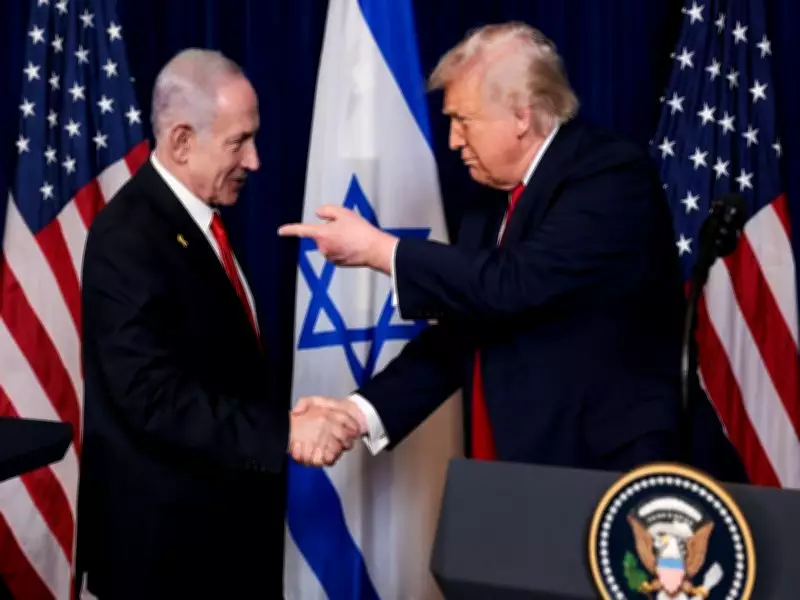
Israeli Prime Minister Benjamin Netanyahu and US President Donald Trump agreed to meet in the United States in the near future during a phone conversation on Friday, according to a statement from the Israeli Prime Minister's Office (PMO) as reported by the Times of Israel.
Phone Call Details
During the call, Netanyahu congratulated Trump on the 250th anniversary of the founding of the United States. Netanyahu stated, "The US is what ensures the freedom of the world, and Israel greatly appreciates the tight bond between the nations." The PMO added that both leaders agreed to meet soon in the US, though no specific date or venue was provided.
Context of the Meeting
The development comes at a time when Trump has been publicly critical of Netanyahu in recent weeks following Israel's war with Hezbollah in Lebanon, which threatened peace talks with Iran. Meanwhile, ongoing 14-point MoU negotiations involving Qatar, Pakistan, the US, and Iran in Doha have shown "positive progress," according to Qatar's foreign ministry spokesperson. The parties agreed to continue discussions, with the next meeting to be scheduled after the funeral processions of the former Iranian Supreme Leader.

Israel's Stance on Hezbollah
On July 1, Israel announced it would continue military operations against Hezbollah despite the existing ceasefire framework with Lebanon. Israeli Deputy Foreign Minister Sharren Haskel argued that Hezbollah continues to pose a direct security threat and that lasting stability in Lebanon requires the group's disarmament. In a virtual interview with ANI, Haskel said, "If Hezbollah continues to attack Israel, we will continue to defend our people, our communities and our forces." She added, "There is nothing more that we want to see than this Iranian terrorist army out of Lebanon... and there is nothing more that the Lebanese government wants to see than this terrorist organisation gone and disarmed."
Netanyahu's Policy on US Aid
On June 30, Netanyahu announced a policy shift to end American financial assistance, stating that Israel's economy is strong enough to do without foreign subsidies. He said, "I want to stop American aid. It's like welfare; I don't want it." He emphasized that Israel's fiscal strength renders outside funding negligible, adding, "Our economy is no longer a small economy... we can finance ourselves with this fraction of a per cent of our GDP that we receive from the United States. I want this process to start this year."