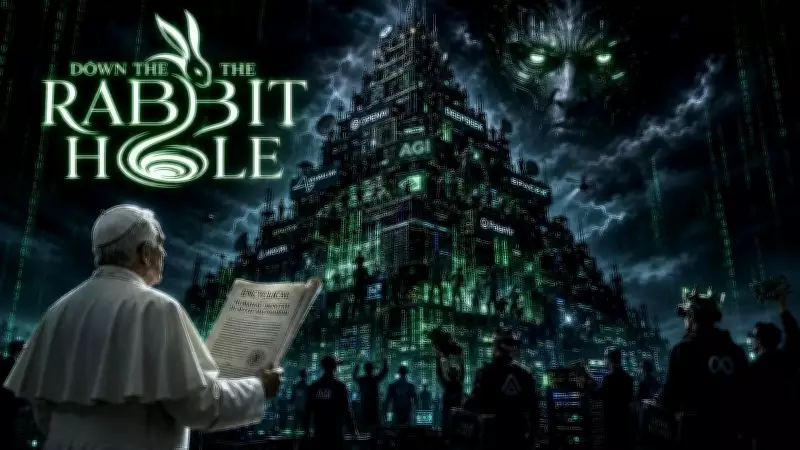
Pope Leo XIV has released his first encyclical, titled Magnifica Humanitas, or Magnificent Humanity, warning that artificial intelligence could become a modern Tower of Babel. The document, signed on May 15, marks the 135th anniversary of Pope Leo XIII's Rerum Novarum, which addressed the Industrial Revolution. Now, the Pope tackles the AI revolution, urging humanity to choose between building a new Tower of Babel or a city where God and humanity coexist.
The encyclical compares AI to the biblical Tower of Babel, where humanity's ambition to reach heaven led to divine punishment and the confusion of languages. Pope Leo writes that AI, like the tower, risks being "conceived without reference to God," eliminating diversity and promoting homogenization over communion. He warns that technology is never neutral, as it reflects the values of those who design, finance, and regulate it.
The Pope acknowledges AI's potential benefits, such as healing, connecting, educating, and protecting. However, he cautions against the "idolatry of profit" that sacrifices the weak and the hubris of believing a single digital language can translate all human mystery into data. He emphasizes that humanity is more than mere patterns that machines can replicate.

The Tower of Babel story, found in Genesis, describes humanity's attempt to build a tower reaching heaven. God responds by scattering them and confusing their languages. This myth resonates across cultures, from Hindu texts to modern stories like Jack and the Beanstalk. In X-Men: Apocalypse, the villain Apocalypse uses the tower as a metaphor for human arrogance.
Pope Leo's encyclical also addresses the rise of artificial general intelligence (AGI), which some see as a modern "Deus Ex Machina" or god from the machine. The Abrahamic faiths have long warned against idolatry, and the Pope argues that AI could become a false god if it dehumanizes people. Silicon Valley's messianic culture, where founders see themselves on divine missions, exacerbates this risk.
The Pope concludes that the real danger is not a chatbot writing bad poems but the Babel instinct: imagining a world with one language, one system, and one elite, where humanity is reduced to data and predictions. The Vatican, despite its own baggage, understands that false gods demand sacrifice. As Arthur C. Clarke's story The Nine Billion Names of God suggests, the end of the universe might come when humanity completes its quest for knowledge without wisdom.
Pope Leo's encyclical serves as a moral compass in an age of rapid technological change, reminding believers and non-believers alike that true progress must honor human dignity.