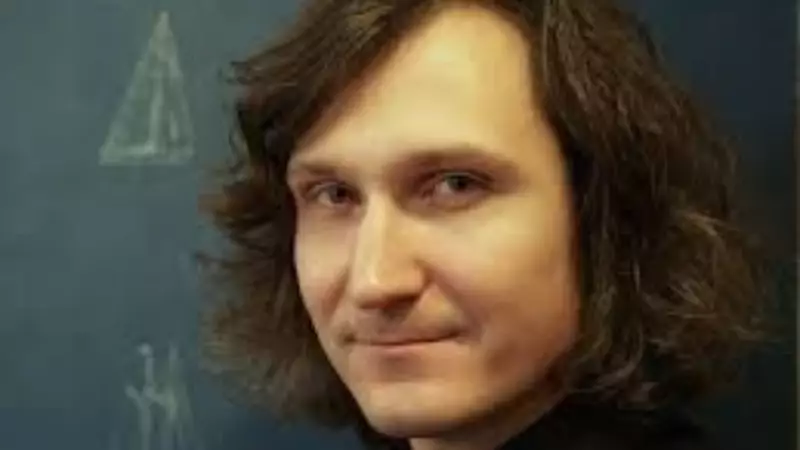
In a significant development for the artificial intelligence industry, Jerry Tworek, a veteran researcher and vice president at OpenAI, has announced his departure from the company. Tworek, who spent nearly seven years at the AI giant, was a key figure behind some of its most transformative technologies, including the groundbreaking o1 reasoning model and the foundational tech for GitHub Copilot.
End of an Era: The Architect of OpenAI's Reasoning Powerhouse Moves On
Jerry Tworek shared the news of his exit on the social media platform X, posting the internal memo he sent to his team. He clarified that his decision stems from a desire to pursue research paths that are challenging to explore within the current structure of OpenAI. Despite his departure, he expressed deep admiration for the company, calling it "a special place in the world that already has a forever place in history of humankind."
Tworek's journey with OpenAI began in 2019, when the organization was still operating as a non-profit research lab. Over his tenure, he played an instrumental role in shaping the company's trajectory from a research-focused entity to a global AI leader. His most notable contribution was leading the team that developed the o1 reasoning model, a milestone that introduced a novel approach to AI problem-solving.

From Codex to o1: A Legacy of Foundational AI Work
The o1 model represents a paradigm shift. Instead of relying solely on pre-training data, it was trained to "think" through complex problems using reinforcement learning techniques. This breakthrough was validated in August when the o1 model secured the top position on the competitive LiveBench leaderboard, demonstrating state-of-the-art performance on demanding reasoning tasks.
However, Tworek's influence extends far beyond a single model. He was a central figure in the research behind OpenAI Codex, the engine that powers the immensely popular GitHub Copilot, which has revolutionized coding for developers worldwide. His expertise also significantly contributed to the programming capabilities integrated into GPT-4 and the plugin system within ChatGPT.
In his farewell note, Tworek reflected on a career filled with seminal moments. He highlighted his work on scaling reinforcement learning for robotics, training the early iterations of coding models, and the discovery of the chinchilla scaling principles—a key concept in modern AI training. "I've developed many friendships, spent some nights at the office, contributed to and witnessed a healthy number of technological breakthroughs," he shared, expressing gratitude for the trust placed in him.
What's Next for OpenAI and AI Research?
Tworek's departure marks the end of a significant chapter for OpenAI. His work has left an indelible mark on the field, embedding advanced reasoning and coding assistance into the fabric of modern AI tools used by millions. He signed off his note on an optimistic note, viewing the change as a potential catalyst for new greatness, with the unique sign-off: "Take great care and stay warm my dearest strawberries."
While OpenAI continues to advance its models, the exit of such a pivotal figure raises questions about the future direction of its core research. Tworek's next steps, focused on research avenues he finds difficult to pursue at his former company, will be closely watched by the global AI community. His legacy at OpenAI, however, is firmly cemented in the code of Copilot and the reasoning steps of the o1 model.