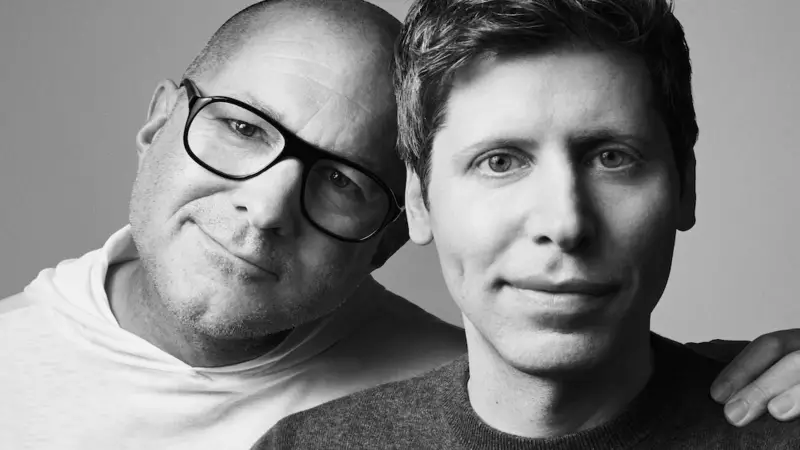
In a significant announcement that has sent ripples across the tech world, OpenAI CEO Sam Altman and former Apple design chief Jony Ive have confirmed that the first prototype of their highly anticipated artificial intelligence hardware device is finally ready. The duo revealed that the product could hit the market in less than two years, marking a pivotal moment in the evolution of consumer AI.
The confirmation came during a video posted by Emerson Collective, an organization founded by Laurene Powell Jobs, the wife of late Apple co-founder Steve Jobs. Appearing on stage with Powell Jobs, Altman could barely contain his excitement about the project's progress.
The "Jaw-Dropping" Prototype
Sam Altman described the newly finalised prototypes as "jaw-droppingly good" and incredibly exciting. He shared a fascinating insight into the design process, revealing that an earlier version, while promising, did not evoke the visceral, desirable reaction he was hoping for. "I did not have any feeling of, 'I want to pick up that thing and take a bite out of it,'" Altman admitted. However, the team eventually achieved that level of allure, culminating in a design he characterised as "simple and beautiful and playful."

Jony Ive, the legendary designer behind iconic Apple products like the iPhone and iPad, tempered the excitement with a note of realism. He indicated that while the target is a launch within two years, hardware development is a complex and often unpredictable process that requires time and precision.
A New "Vibe" for Personal Technology
While details about the device's specific form and function remain a closely guarded secret in Silicon Valley, Altman offered a philosophical glimpse into its intended user experience. He explicitly stated it is not a smartphone but hinted it could be a screen-less device. He contrasted its intended "vibe" with the overwhelming nature of modern smartphones.
"You can then go for a vibe that is not like walking through Times Square and getting bumped into and having all this stuff compete for your attention," Altman explained. Instead, he envisions an experience akin to "sitting in the most beautiful cabin by a lake and in the mountains and sort of just enjoying the peace and calm." This suggests a fundamental shift from attention-hungry apps to a more serene and intuitive AI interaction.
The Power Partnership and Strategic Moves
The collaboration between the minds behind ChatGPT and the iPhone represents one of the most ambitious partnerships in tech. The project gained massive momentum earlier this year when OpenAI acquired Ive's startup, io, for a staggering $6.4 billion. This move solidified their partnership and generated intense speculation about their goal to redefine the hardware landscape.
Ive, who left Apple in 2019 to start his design firm LoveFrom, is leading the charge to develop a series of consumer AI devices. To bolster this effort, OpenAI has been on a hiring spree, bringing in dozens of former Apple employees over the past month alone, as reported by Bloomberg. This influx of talent from a company renowned for its hardware expertise underscores the seriousness of OpenAI's ambitions.
This development comes at a time when established players like Apple are finding it challenging to replicate the revolutionary success of the iPhone. Meanwhile, OpenAI and other Silicon Valley giants are aggressively exploring new AI-first hardware form factors, including smart glasses, pendants, and smart rings. However, creating a device that is as capable and compelling as the modern smartphone remains the ultimate, unclaimed prize in the tech industry.