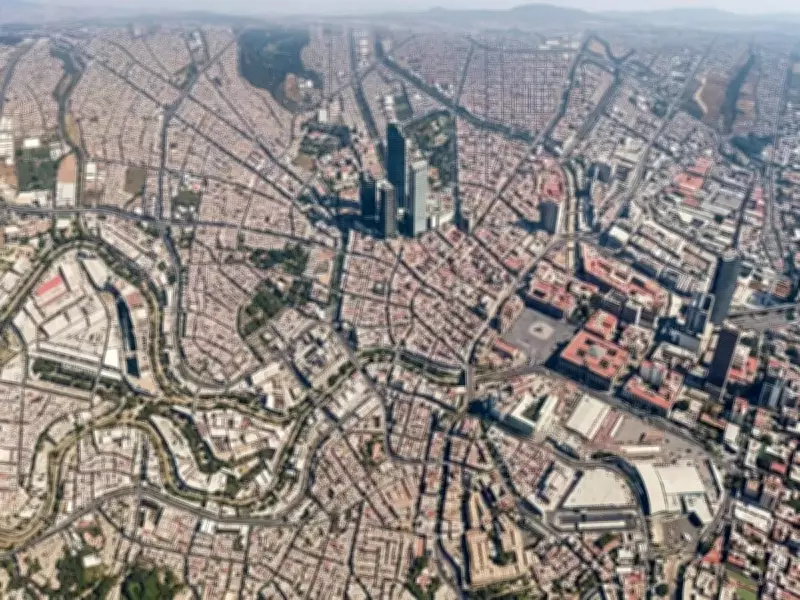
Mexico City is slowly sinking, a phenomenon known as subsidence that has been documented for over a century. Recent satellite measurements, however, have provided unprecedented insights into the problem. Scientists working with NASA's NISAR radar satellite have determined the rate at which different regions of the city are subsiding each month.
Key Findings from NASA's NISAR Satellite
Data from the Jet Propulsion Laboratory reveals that some parts of Mexico City are sinking at a rate exceeding half an inch (about 1.27 centimeters) per month. In certain zones, subsidence exceeds two centimeters monthly. These measurements were taken between October 2025 and January 2026, during the dry season.
Why Mexico City Is Sinking
The root cause lies beneath the surface. Mexico City is built on the site of an ancient lake that dried up, leaving behind clay soils. As the population grew, demand for drinking water increased, leading to decades of groundwater extraction. This withdrawal causes compaction and sinking of the soil due to volume loss. The problem was first recognized in 1925, and by the late 20th century, some areas experienced up to 14 inches (35.5 centimeters) of settlement annually. According to the U.S. Geological Survey (USGS), once compression begins, the soil can never revert to its original form.

How NISAR Provides Better Insights
NISAR satellites use advanced radar technology that can detect slight elevation changes through any atmosphere. Unlike traditional radar satellites, NISAR combines two radar frequencies: L-band radar, which penetrates surface layers, and S-band radar, which provides higher resolution. This allows scientists to measure movement at the millimeter level. NISAR covers each point on Earth every 12 days. Craig Ferguson, a NASA Project Manager, noted that this new technology increases confidence in the results.
Visible Signs of the Problem
The effects are evident throughout Mexico City. Roads develop cracks, and buildings tilt. For example, the Angel of Independence monument, built in 1910, originally stood at street level but now requires steps due to sinking. Such infrastructure damage affects millions of residents daily. Studies on urban subsidence show that affected cities require constant maintenance of their infrastructure systems.
Importance of Accurate Monitoring
Accurate monitoring is crucial for planning and safety. Without it, problem areas cannot be identified. NISAR data is accessible to scientists and governments worldwide, with over 100,000 satellite data products available through the Alaska Satellite Facility. David Bekaert, a member of the NISAR science team, stated that Mexico City serves as a perfect example of what can be achieved with this data. The satellite's capabilities will aid in making discoveries in other regions facing similar risks. Precise monitoring also helps cities prepare for combined threats, such as land subsidence in coastal areas exacerbating flooding from rising sea levels.
Next Steps for Mexico City
The research is preliminary, and scientists expect clearer results as more data becomes available. This will help assess yearly changes and evaluate efforts to control groundwater use. However, experts warn that the problem is difficult to fix; once soil compresses, it cannot be reversed.
An Increasing Global Problem
Mexico City is not alone. Land subsidence affects cities worldwide, from California to Indonesia and China. Groundwater depletion is a major cause, according to the USGS. The NASA NISAR program monitors these trends globally, enabling researchers to study how urban areas respond to environmental challenges and human impacts.
This article is based on reporting by the TOI Science Desk, a team of journalists covering discoveries in science for The Times of India.