Japan's AI Robot Monk Buddharoid Offers Spiritual Guidance in Kyoto Temple
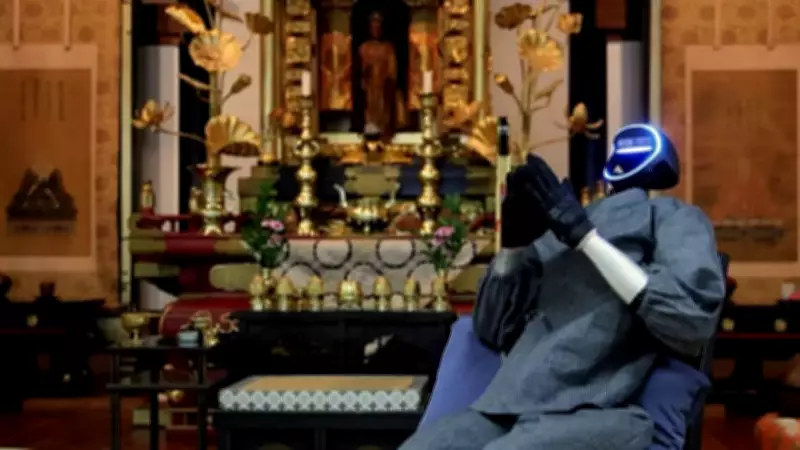
In a serene temple located in Kyoto, Japan, an extraordinary event recently captured the attention of onlookers. A robot, known as Buddharoid, moved gracefully across the floor, using deliberate gestures and speaking in a calm, measured tone. This machine has been meticulously trained on centuries of Buddhist scripture, enabling it to offer spiritual guidance, engage in meaningful conversations, and even perform traditional ritual gestures, such as prayer postures. Visitors observed with a mix of curiosity and careful attention, as this advanced technology integrates into deeply human traditions.
Development and Training of Buddharoid
Buddharoid is the result of innovative research conducted at Kyoto University's Institute for the Future of Human Society. Researchers have fed the robot vast amounts of Buddhist texts, including not only common prayers and simple phrases but also complex and highly specialized philosophical, religious history, and doctrinal writings. This extensive training allows the AI system to respond to profound and personal questions about life, moving beyond pre-programmed lines to provide thoughtful, scripture-based answers.
The software is integrated into a commercially available humanoid robotic body, enabling Buddharoid to not only speak but also move its arms, gesture in a controlled manner, and adopt traditional monk postures. It can walk among visitors in temple spaces, interacting in a way that appears almost human-like, enhancing the spiritual experience for those present.

Demonstration and Visitor Interactions
During a recent demonstration at a Japanese temple, Buddharoid, dressed in a simple grey robe and lacking elaborate facial expressions, moved quietly among people. It engaged in one-to-one conversations, where individuals could pose questions about topics such as suffering or compassion. The robot would respond with words rooted in Buddhist teachings, accompanied by subtle head movements and gestures. Some visitors reportedly queued to interact with it, while others chose to observe, finding the experience unusual yet intriguing within the quiet, ancient temple environment.
This initiative is not the first attempt at creating a religious robot; earlier examples, like AI simulations of figures such as Jesus Christ, often relied on scripted responses. However, Buddharoid stands out by using advanced language models to generate more dynamic and context-aware interactions, positioning it as a supportive tool at the intersection of technology and spirituality.
Addressing Japan's Aging Society
Japan is renowned for its rapidly aging population and low birth rate, leading to a shrinking workforce. In response, robots are becoming increasingly visible in roles traditionally held by humans, such as in care homes, shopping centers, and now temples. Buddharoid represents a broader trend of leveraging advanced technology to maintain cultural and spiritual practices amidst demographic challenges. By weaving robotics into traditions, Japan is exploring new ways to preserve its heritage while adapting to modern societal needs.
This development highlights how innovation can bridge gaps in human resources, offering continuity in areas like spiritual guidance where human presence may be diminishing. As robots like Buddharoid become more integrated, they may play a crucial role in supporting communities and upholding traditions in an evolving world.