

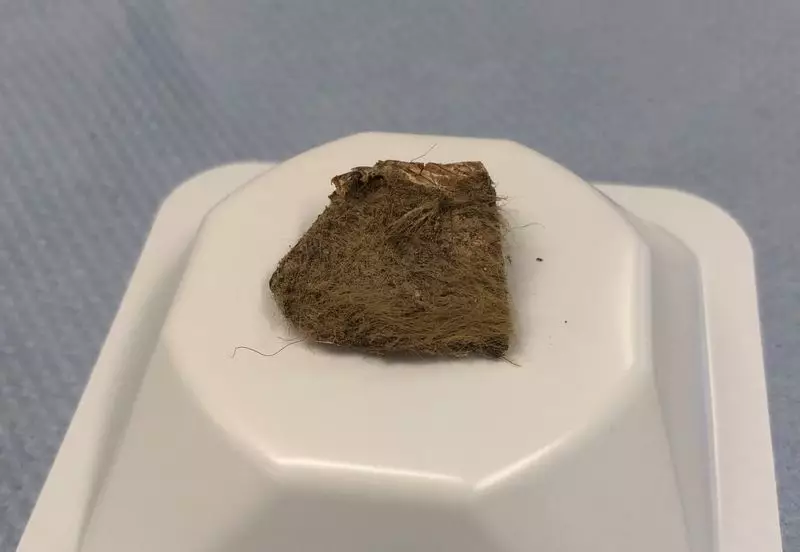
Ice Age Wolf's Meal Yields First Woolly Rhino Genome
In a remarkable scientific breakthrough, researchers have successfully recovered the first complete genome of a woolly rhino. This genetic material comes from a 14,400-year-old bone fragment that was once part of a meal consumed by an Ice Age wolf. The discovery provides unprecedented insights into the biology and evolution of this long-extinct species.
How the Discovery Unfolded
Scientists found the bone fragment in permafrost conditions in Siberia. They identified it as belonging to a woolly rhino, a massive creature that roamed the Earth during the last Ice Age. The fragment showed clear signs of being chewed and digested by a wolf, likely a predator from that era. This unique preservation in the wolf's digestive system helped protect the DNA over millennia.
Using advanced paleogenomic techniques, the team extracted and sequenced the DNA. They faced significant challenges due to the age and degradation of the sample. However, persistent efforts allowed them to piece together a high-quality genome. This marks the first time such a complete genetic blueprint has been obtained for the woolly rhino.

What the Genome Reveals
The genome offers a treasure trove of information about the woolly rhino. It sheds light on its physical adaptations to cold environments, such as its thick fur and large size. Researchers can now study its genetic diversity, population history, and relationships to other rhino species. This data helps explain how the animal survived in harsh Ice Age climates and what factors may have led to its extinction around 14,000 years ago.
Key findings from the genome include:
- Insights into the woolly rhino's immune system and how it coped with diseases.
- Genetic markers related to its diet and metabolism in cold conditions.
- Comparisons with modern rhinos, showing evolutionary changes over time.
Implications for Science and Conservation
This discovery has broad implications. It enhances our understanding of Ice Age ecosystems and the interactions between predators like wolves and large herbivores. The techniques used here could be applied to other extinct species, potentially recovering genomes from similar preserved remains.
For conservation, studying extinct genomes helps inform efforts to protect endangered rhinos today. By learning from the past, scientists can better predict how species might adapt to current environmental changes. This research underscores the importance of paleogenomics in unraveling Earth's biological history.
The team plans to continue analyzing the genome to explore more details about the woolly rhino's life and demise. Their work opens new doors for exploring ancient DNA and the stories it holds.






