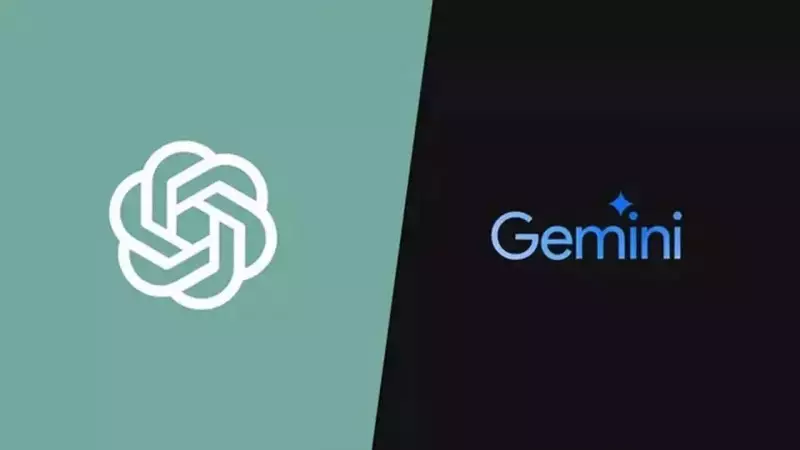
In a significant statement, Geoffrey Hinton, the renowned computer scientist often called the 'Godfather of AI,' has declared that Google is now beginning to overtake its key rival, OpenAI, in the fiercely competitive artificial intelligence race. Hinton, a professor emeritus at the University of Toronto and a former key figure at Google Brain, expressed surprise that it took the tech giant this long to surge ahead.
From 'Code Red' to Leading the Pack
Hinton's assessment, shared in an interview with Business Insider, marks a pivotal shift. It comes three years after Google reportedly declared an internal 'code red' following the groundbreaking public release of OpenAI's ChatGPT. Today, the tables appear to be turning. Hinton stated, "I think it's actually more surprising that it's taken this long for Google to overtake OpenAI. I think that right now they're beginning to overtake it."
This newfound confidence is bolstered by the widely praised launch of Google's Gemini 3, an AI model update many experts believe has pushed the company ahead of OpenAI's GPT-5. The success of Google's Nano Banana Pro AI image model has further cemented this momentum. Recent reports even suggest OpenAI may now be the one sounding internal alarms.

Google's Secret Weapon: The AI Chip Advantage
Beyond software, Hinton pointed to a critical hardware edge for Google. The company's development of its own AI chips represents a "big advantage," he noted. This strategic move was highlighted when Google's stock price rose on reports of a potential billion-dollar deal to supply its AI chips to Meta, the parent company of Facebook.
"Google has a lot of very good researchers and obviously a lot of data and a lot of data centres. My guess is Google will win," Hinton predicted. He reminded everyone of Google's foundational role in modern AI, having invented the transformer architecture and developing large chatbots earlier than most competitors.
Why Did Google Wait? Reputation and Past Stumbles
Hinton explained that Google's previous caution, which allowed OpenAI to seize the public spotlight, stemmed from a desire to protect its reputation. The disastrous 2016 launch of Microsoft's 'Tay' chatbot, which was quickly shut down after posting racist tweets, served as a cautionary tale. "Google, obviously, had a very good reputation and was worried about damaging it like that," Hinton added.
This caution was not unfounded. Google itself has faced controversies with AI launches. Last year, it paused its AI image generator after criticism over historically inaccurate images. Earlier versions of its AI search tool also gave bizarre advice, such as suggesting users put glue on pizza. CEO Sundar Pichai has previously admitted the company held back its chatbot because it "hadn't quite gotten it to a level" where they were comfortable releasing it.
In a move honouring Hinton's legacy, Google is donating $10 million Canadian dollars to fund the Hinton Chair in Artificial Intelligence at the University of Toronto, with the university matching the amount. Hinton, who left Google in 2023 to speak freely about AI risks like job loss and superintelligence, was awarded a Nobel Prize in Physics in 2024.
Google, in a statement, said the chair honours Hinton's legacy and will help recruit scholars dedicated to the "curiosity-driven, fundamental research" he championed, spanning his academic work and his decade at the company.