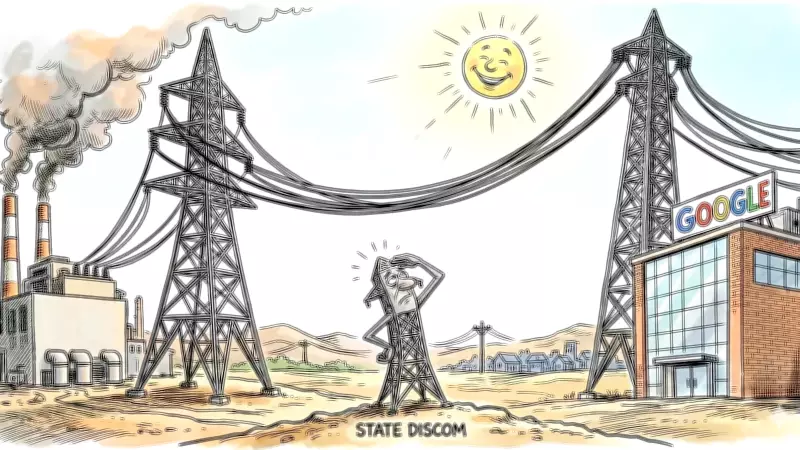
A GW-scale anchor buyer, free to negotiate rates with generators, sends a strong signal for investments in generation. But it doesn't solve the problem of India's broken distribution system. This is the crux of the debate surrounding Google's potential discom licence and its implications for the power sector.
The Promise of a Large Buyer
Having a large, creditworthy buyer like Google could attract investments in new power generation capacity. With the ability to negotiate long-term power purchase agreements (PPAs), such an entity could provide the revenue certainty that generators need to secure financing. This is particularly important for renewable energy projects, which require significant upfront capital.
Impact on Generation Investments
The entry of a corporate giant as a bulk buyer could stimulate competition among generators, potentially lowering power costs. It could also encourage the development of more efficient and greener technologies, as Google has committed to 24/7 carbon-free energy by 2030.

Does It Fix Distribution?
However, the core issue of India's power sector remains the financial health of state-owned distribution companies (discoms). These entities are plagued by high losses, inefficient billing, and political interference. A single large buyer does not address these structural problems.
Challenges Ahead
Even with a licence, Google would need to navigate complex regulations, grid connectivity issues, and the challenge of balancing supply and demand. Moreover, the benefits of lower generation costs may not trickle down to end consumers if discoms remain inefficient.
In conclusion, while Google's entry could be a positive step, it is not a panacea for the power sector's woes. Comprehensive reforms in distribution, including privatisation or improved governance, are still needed.