A major technology-driven initiative aimed at automatically identifying civic issues like potholes and garbage piles in Bengaluru has been effectively halted. The project, which involved mounting Artificial Intelligence-enabled cameras on government vehicles, is facing strong opposition from senior officials of the Greater Bengaluru Authority (GBA) on grounds of privacy and surveillance.
The Ambitious AI Monitoring Plan
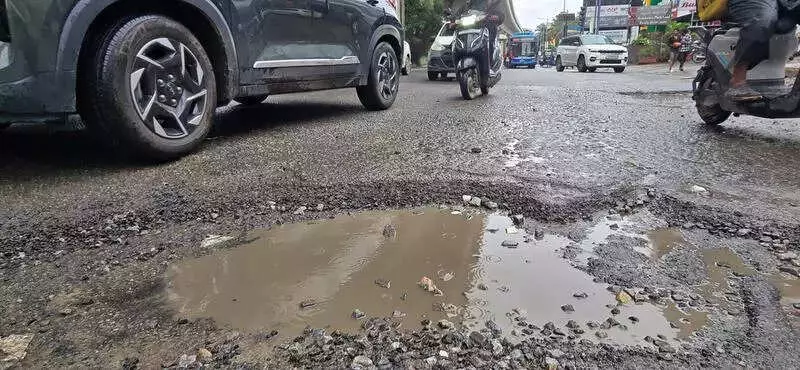
The initiative, originally cleared by the chief secretary earlier this year, was designed to transform civic maintenance. The plan required all corporation vehicles to be fitted with special cameras. These devices were capable of automatically spotting problems including potholes, roadside garbage, construction debris, and illegal advertisement boards.
The system was engineered to capture photos and videos, classify the issue using AI algorithms, and then directly file a complaint with the designated officer. This process was intended to eliminate bureaucratic delays and ensure real-time monitoring of the city's infrastructure.

Project Scale and Current Status
This was a significant project valued at Rs 3 crore. In its first phase, the plan was to install 250 cameras on the vehicles used by senior officials. Subsequent phases would have covered junior officials' vehicles and other civic service fleets.
The tender was floated by the then Bruhat Bengaluru Mahanagara Palike (BBMP) before its dissolution, and work orders were issued in August. The contractor has already supplied 30 cameras. However, following the transition of BBMP into the GBA and five new city corporations, the installation process has completely stopped.
Privacy Concerns Halt Progress
Sources indicate that senior GBA officials have raised strong objections to having cameras installed on their official vehicles. Their primary argument is that such a system would make their daily movements fully trackable, creating a continuous digital trail of their routes.
"This system would record every route an officer travels on. While technology can improve service delivery, we cannot ignore legitimate concerns around privacy and data security," a senior GBA official stated. Officials argued that currently, only their drivers are aware of their exact movements, and the AI cameras would change that fundamentally.
Another official expressed dismay, asking, "Why are we supposed to be monitored? It is disturbing our privacy, the fact that we are govt officials is losing its value."
Redistribution and an Uncertain Future
As a direct result of these objections, the project has stalled before a full rollout could begin. In response, the authority's IT wing has decided to redistribute the 30 cameras already procured to the five new city corporations, allocating six cameras to each. The decision on whether to install them now rests with the local administrators of these corporations.
This setback puts on hold what was envisioned as a landmark tech-driven reform for Bengaluru's civic management. Once operational, the AI system was expected to scan the city's vast 14,000-km road network through the routine movement of corporation vehicles. It promised to auto-generate complaints for potholes, garbage, construction waste, and illegal hoardings without the need for manual inspections, potentially revolutionizing urban maintenance.