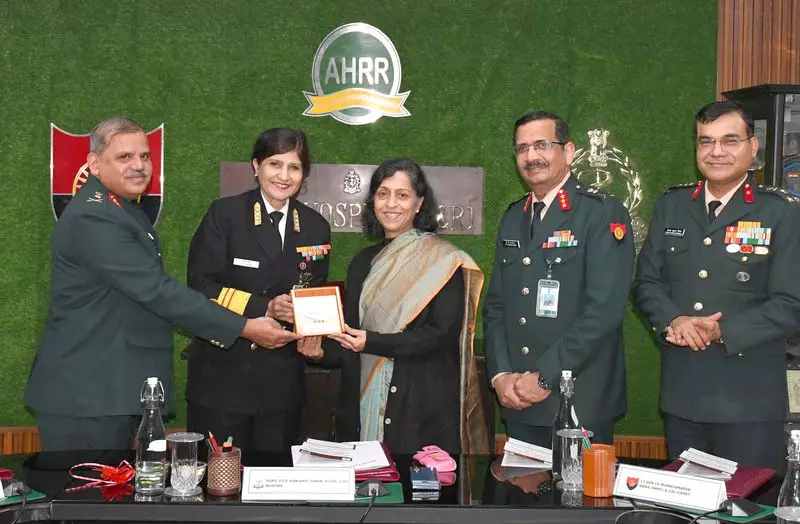
In a landmark move for military healthcare and preventive medicine in India, the Armed Forces Medical Services (AFMS) have officially launched the nation's first Artificial Intelligence (AI)-driven community screening programme for diabetic retinopathy. This pioneering initiative, inaugurated on February 12, 2024, at the Army Hospital (Research & Referral) in Delhi Cantonment, aims to combat vision loss among serving personnel, veterans, and their families.
A Technological Shield Against Preventable Blindness
The core of this programme is a sophisticated, indigenously developed AI algorithm. This technology is designed to autonomously analyse retinal scans and identify early signs of diabetic retinopathy, a serious complication of diabetes that damages the blood vessels in the light-sensitive tissue at the back of the eye. The AI system provides a rapid, preliminary screening report, categorising findings as 'No Diabetic Retinopathy' or 'Referred for Specialist Opinion'. This allows for the swift triaging of cases, ensuring that those who need urgent specialist care receive it promptly.
Lieutenant General Daljit Singh, Director General of the AFMS, formally launched the programme. The event was also attended by Lieutenant General Arindam Chatterjee, the Director General of Medical Services (Army), underscoring the high-level commitment to this technological integration in healthcare. The programme is initially being rolled out at the base hospital in Delhi Cantonment, with plans for a phased expansion across all Command Hospitals in the country.

Addressing a Critical Healthcare Challenge
This initiative directly addresses a significant and growing health concern within the armed forces community. Diabetes is a prevalent condition, and diabetic retinopathy is a leading cause of preventable blindness among adults. Early detection is absolutely critical, as timely intervention can prevent up to 95% of vision loss associated with the disease. However, traditional screening methods require highly trained ophthalmologists and can be resource-intensive and time-consuming, especially for a large, distributed population like the military.
The AI-driven model solves this scalability challenge. It enables rapid, accurate, and large-scale screening, making preventive eye care accessible to a much wider beneficiary base. By catching the disease in its earliest stages, the programme aims to preserve the eyesight and overall quality of life for countless service members and their dependents. This not only has profound personal benefits but also contributes to maintaining a fit and healthy fighting force.
The Future of Military and Public Health
The launch of this programme marks a significant step in India's journey towards integrating cutting-edge technology into mainstream healthcare delivery. The Armed Forces, often at the forefront of adopting innovation, are setting a powerful precedent. The success of this AI-based screening model could provide a blueprint for similar public health initiatives across the civilian sector, potentially revolutionising how diabetic eye disease is managed nationwide.
The long-term vision is to create a robust, technology-backed ecosystem for preventive healthcare within the defence services. This programme is expected to drastically reduce the burden on specialist ophthalmology services by filtering out normal cases and directing only those requiring attention to doctors. It represents a perfect synergy between medical expertise and technological prowess, ensuring that India's protectors and their families receive the most advanced and efficient care possible.
As the programme scales, it will generate valuable data that can further refine the AI algorithms and contribute to global research on diabetic retinopathy. This move by the AFMS is not just a healthcare upgrade; it is a strategic investment in the well-being of the nation's defenders, powered by the promise of artificial intelligence.